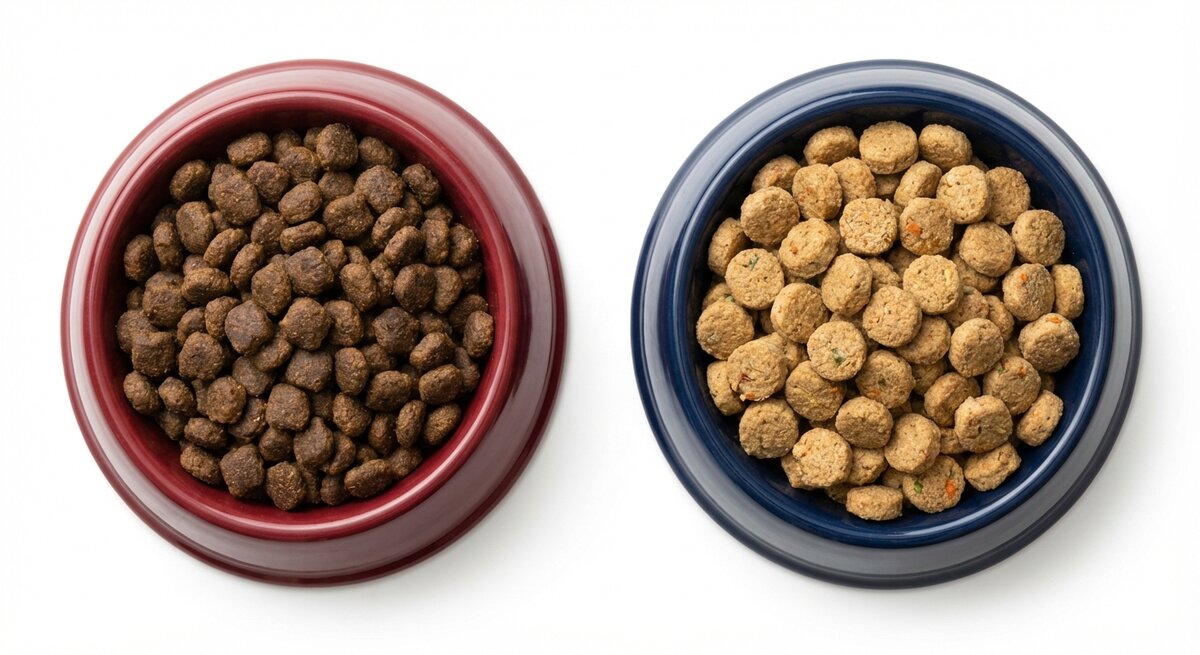
Royal Canin vs Purina Pro Plan in NZ — Pro Plan is the better everyday value; Royal Canin is stronger for breed-specific formulas and fussy pets.
The short version
For most healthy NZ dogs and cats, Purina Pro Plan is the better everyday buy; choose Royal Canin when you need breed-specific formulas, prescription-diet continuity, or extra palatability for a fussy pet. Both brands are serious, science-backed, and commonly recommended by veterinarians, but they solve slightly different problems.
The price gap between them is real, so it helps to be clear about what you are paying for.
Royal Canin is the pick for breed-specific nutrition and palatability. If you have a French Bulldog with respiratory issues, a Persian cat prone to hairballs, or a dog that refuses everything else, Royal Canin has probably built a formula specifically for that problem. The breed-specific range is genuinely useful, not just marketing.
Purina Pro Plan is the better everyday food for most dogs and cats. The ingredients are cleaner, the first protein is always a named meat (chicken, salmon, beef — not by-product meal), and it costs meaningfully less per day. Pro Plan is used by Assistance Dogs New Zealand and recommended by many working dog specialists for a reason — it performs.
No breed-specific issues? No palatability dramas? Start with Pro Plan and spend the savings elsewhere.
At a glance
| Royal Canin | Purina Pro Plan |
|---|
| Origin | France (Mars Petcare) | USA (Nestlé Purina) |
| NZ availability | Vets, Animates, Petstock, PetDirect | Animates, Petstock, PetDirect, Pet Circle |
| Price range (25kg dog/day) | ~$2.10–$2.60 | ~$1.65–$2.10 |
| Breed-specific formulas | Yes — 25+ dog, 5+ cat | No |
| Life-stage coverage | Puppy, adult, senior (size-specific) | Puppy, adult, senior, sport/performance |
| Key protein sources | Chicken by-product meal, wheat gluten | Chicken, salmon, beef (whole meat first) |
| Prescription diet range | Yes | Yes |
| Used by working dog programmes | No | Yes (Assistance Dogs NZ) |
Ingredients compared
This is the biggest practical difference between the two brands, and it matters.
Purina Pro Plan: named meats first
A typical Pro Plan adult formula (chicken and rice) opens with:
- Chicken
- Rice
- Corn gluten meal
- Poultry by-product meal
- Whole grain wheat
The first ingredient is a whole, named meat. The protein source is identifiable. Corn gluten meal is further down the list. By-product meal appears as a secondary protein, not the primary one.
Royal Canin: by-products lead
A typical Royal Canin Medium Adult formula opens with:
- Chicken by-product meal
- Brown rice
- Wheat gluten
- Chicken fat
- Corn
Chicken by-product meal as the first ingredient is the main flag. By-products (offal, feet, beaks) are not inherently harmful — dogs digest them fine — but they are a lower-cost protein source with more variable quality than whole meat. Wheat gluten as a secondary protein source is also worth noting for dogs with gluten sensitivities.
Where Royal Canin makes up ground
Palatability. Royal Canin invests significantly in taste research. Their kibble shapes, coatings, and flavour profiles are specifically engineered for each formula. For picky eaters — particularly cats — this often makes a real difference.
Breed formulas. The ingredient tweaks in Royal Canin’s breed-specific range are real. The French Bulldog formula has adjusted fibre profiles and kibble shape for flat-faced eating. The German Shepherd formula has elevated prebiotics and omega fatty acids specifically for GSD digestive and skin tendencies. These aren’t cosmetic changes.
The honest verdict on ingredients
For ingredient transparency and quality, Pro Plan edges ahead. Named protein sources, cleaner primary ingredients, and no wheat gluten leading the formula. For most healthy adult dogs, the ingredient difference translates to no noticeable day-to-day difference in coat, energy, or stool quality. But if ingredient quality matters to you, Pro Plan is the cleaner choice.
Royal Canin: pros and cons
Pros
- Breed-specific formulas that address real physiological differences — not just marketing
- High palatability — effective for fussy eaters and cats that reject other foods
- Prescription diet range is extensive and well-regarded by NZ vets
- Strong vet clinic availability and vet trust built over decades
- Size-specific puppy formulas with genuinely relevant calcium:phosphorus ratios for large breeds
Cons
- More expensive — roughly $150–$220 more per year for a 25kg dog vs Pro Plan
- Primary protein is chicken by-product meal, not whole meat
- Wheat gluten in several formulas — problematic for gluten-sensitive dogs
- Breed-specific formulas are useful but rarely essential for dogs without specific health issues
- Heavy marketing investment inflates the price beyond the nutritional premium
Purina Pro Plan: pros and cons
Pros
- Named whole meat as primary ingredient in most formulas
- Backed by $500M+ annual research investment — among the most studied pet foods in the world
- Used by Assistance Dogs NZ and working dog programmes
- 15–20% cheaper than Royal Canin for comparable formulas
- Sport and performance formulas for active dogs — genuinely useful for high-output dogs
- Strong prescription diet range (PN Veterinary Diets) for clinical use
Cons
- No breed-specific formulas — a gap if your dog has breed-specific health tendencies
- Less vet clinic shelf presence than Royal Canin in NZ
- Some formulas still include corn and by-products further down the ingredient list
- The Pro Plan brand spans a wide quality range — the Savoury Shreds and other wet food lines vary significantly, so read labels individually
Price comparison
The difference is consistent across bag sizes and life stages.
| Scenario | Royal Canin (est.) | Pro Plan (est.) | Difference |
|---|
| 25kg adult dog, standard adult formula | ~$2.15–$2.60/day | ~$1.65–$2.10/day | ~$0.50/day |
| 4kg adult cat, adult formula | ~$1.35–$1.60/day | ~$1.10–$1.35/day | ~$0.25/day |
| Annual saving (dog) | | | ~$150–$220/year |
| Annual saving (cat) | | | ~$80–$120/year |
Prices vary by retailer and bag size — larger bags drop the daily cost on both. PetDirect and Pet Circle regularly run promotions. It’s worth checking both before committing to a purchase, particularly for larger dogs on Royal Canin where the cost adds up fastest.
That $150–$220 annual gap is meaningful. If your dog is thriving on either brand and showing no difference in coat, energy, or digestion, Pro Plan is the straightforwardly better value.
Check price at Pet Direct — Purina Pro Plan →
Check price at Pet Direct — Royal Canin →
Vet recommendations: what’s actually going on
Both brands are vet-recommended. Neither is a scam. But the reason vets recommend them is worth understanding.
Royal Canin and Nestlé Purina both invest heavily in veterinary education programmes — sponsoring vet school curricula, providing free food for clinics, and training vets in their nutritional frameworks. Vet clinics also make significant margin (40–60%) on the premium food they sell. This does not make the foods bad — it just explains why these two brands dominate vet recommendation lists over equally good alternatives that don’t run the same education programmes.
Pro Plan’s credibility is arguably more independently earned. Its use by Assistance Dogs NZ, police dog units, and competitive sporting dog communities reflects performance-based endorsement, not just sales relationships. Working dog handlers are results-oriented — they switch brands if outcomes decline.
Royal Canin’s vet credibility is real but partly manufactured. The breed-specific science is legitimate. The level of vet trust is also partly a function of the investment Royal Canin (Mars Petcare) makes in the vet sector specifically.
Both are genuinely good foods. Neither is the only good food.
Which dogs suit which brand
Choose Royal Canin if your dog:
- Has a breed-specific health predisposition Royal Canin has built a formula for (French Bulldog, GSD, Labrador, Cavalier, etc.)
- Is extremely picky and rejects other premium foods — Royal Canin’s palatability research is real
- Has a vet-diagnosed health condition requiring a Royal Canin prescription diet your vet specifically recommends
- Is a flat-faced (brachycephalic) breed — the kibble shape genuinely helps
Choose Purina Pro Plan if your dog:
- Is a healthy adult or puppy with no specific breed-health flags
- Is active, working, or athletic — Pro Plan Sport (30/20) is purpose-built for high-output dogs
- You want vet-grade quality at a lower price point
- You prefer whole named meats as the primary protein source
- You want the full range accessible at pet stores, not only through a vet
Consider neither if your dog:
- Has serious chronic allergies or gut disease — talk to your vet about a veterinary hydrolysed or elimination diet, and see our best dog food for allergies NZ guide
- You want the highest possible meat content — look at ZIWI Peak, K9 Natural, or Kiwi Kitchens for NZ-made air-dried and freeze-dried options
- You are on a tight budget — see our cheapest dog food NZ guide for options that still pass a basic quality bar
What about cats?
Both brands have strong cat food ranges in NZ, and the same patterns apply.
Royal Canin for cats: The breed-specific ranges for Persians, Maine Coons, and Ragdolls address real anatomical differences (coat type, jaw shape, size). The indoor cat formulas are widely used by NZ cat owners and generally well-tolerated. Palatability is Royal Canin’s strongest suit for cats — fussy cats that reject everything else often accept Royal Canin.
Pro Plan for cats: Cleaner first ingredients, wider availability in pet retail, and notably cheaper. The Focus and True Nature ranges are well-regarded. The high-protein grain-free line suits cats well — cats are obligate carnivores and benefit from high-meat diets.
For healthy cats with no breed or health flags: Pro Plan is the better daily driver. For Persian, Maine Coon, or Ragdoll owners where the kibble shape and coat-support formulas matter, Royal Canin earns its shelf space.
Life stage coverage
Both brands cover puppies, adults, and seniors. The key differences are in depth and approach.
Puppies: Both have size-specific puppy formulas — small/medium/large breed — which matters for large breeds (calcium:phosphorus ratios affect joint development). Royal Canin goes further with breed-specific puppy formulas (Labrador puppy, Golden Retriever puppy, etc.). Pro Plan’s puppy range covers size categories well without breed-specific splits. See our best puppy food NZ guide for a full puppy-specific breakdown.
Adults: This is where the price comparison is most relevant. For most healthy adult dogs, the nutritional outcomes are comparable. Pro Plan’s Sport formula is a genuine standout for active adult dogs.
Seniors: Both offer senior formulas with joint support and adjusted calorie density. Royal Canin’s senior range is more widely available in vet clinics. Pro Plan’s Bright Mind senior formula includes enhanced botanical oils targeting cognitive health in older dogs — a niche but potentially useful addition.
Switching between Royal Canin and Pro Plan
If you are moving from one to the other, transition gradually:
- Days 1–3: 75% old food, 25% new food
- Days 4–6: 50/50
- Days 7–9: 25% old food, 75% new food
- Day 10: full switch
Both brands are richer than mid-tier kibbles and both can cause loose stools if the switch is too abrupt. If your dog has a sensitive stomach, extend the transition to 14 days and consider adding a probiotic during the change.
What owners actually say
NZ pet owners on Reddit and local Facebook pet groups report consistent patterns:
Royal Canin owners praise palatability — “my dog finally eats properly” is a common theme — and report good coat condition. The most common complaint is cost: “I can’t keep spending this much.” Some owners also note that their dogs eat Royal Canin fine but do equally well on Pro Plan for less, and wonder why they switched in the first place.
Pro Plan owners report solid coat condition, good energy levels, and consistent stools. Working dog owners are particularly positive — the Sport formula has a strong reputation in the dog sport community. The main complaint is the occasional retail stock gap (particularly for the Sport formula in smaller stores).
Neither brand generates significant negative feedback from NZ owners. Both are reliable. Breed-specific owners tend to stick with Royal Canin; performance and value-focused owners tend to gravitate towards Pro Plan.
Availability in NZ
Both are widely accessible, but through slightly different channels.
Royal Canin is on the shelf at virtually every vet clinic in NZ, plus Animates, Petstock, PetDirect, and Pet Circle. The prescription diet range is vet-only by design. If you want the full Royal Canin standard range, you can get it at any major pet retailer or online.
Purina Pro Plan is well-stocked at Animates, Petstock, PetDirect, and Pet Circle. Its vet clinic presence is smaller than Royal Canin’s in NZ — you are more likely to find it recommended at a vet that specifically works with working or sporting dogs. Online availability of the full range is generally better than in-store.
For standard formulas, both are equally accessible online. For breed-specific Royal Canin, you may need to shop around — not every retailer stocks every formula.
The bottom line
Both are excellent vet-recommended foods. Neither is overhyped. But they suit different dogs.
If you are choosing between them today:
- Best value: Purina Pro Plan. Named meat first, 15–20% cheaper, backed by strong independent research and working dog endorsement.
- Best breed-specific option: Royal Canin. The breed formulas are real, the palatability research is real, and for the right dog they are genuinely useful.
- Best for picky eaters: Royal Canin, particularly for cats.
- Best overall for most dogs: Purina Pro Plan, by a meaningful margin — the price saving is real, the ingredient quality is equal or better, and for healthy dogs the outcomes are the same.
If your dog has a specific breed-health flag or refuses everything else, Royal Canin earns its premium. If your dog is healthy and eating well, Pro Plan delivers the same vet-grade outcome for less money every single day.
This comparison covers products available in New Zealand as of April 2026. Formulations and pricing change. Always transition gradually between foods and consult your veterinarian for pets with health conditions or specific dietary requirements.
 PawPick