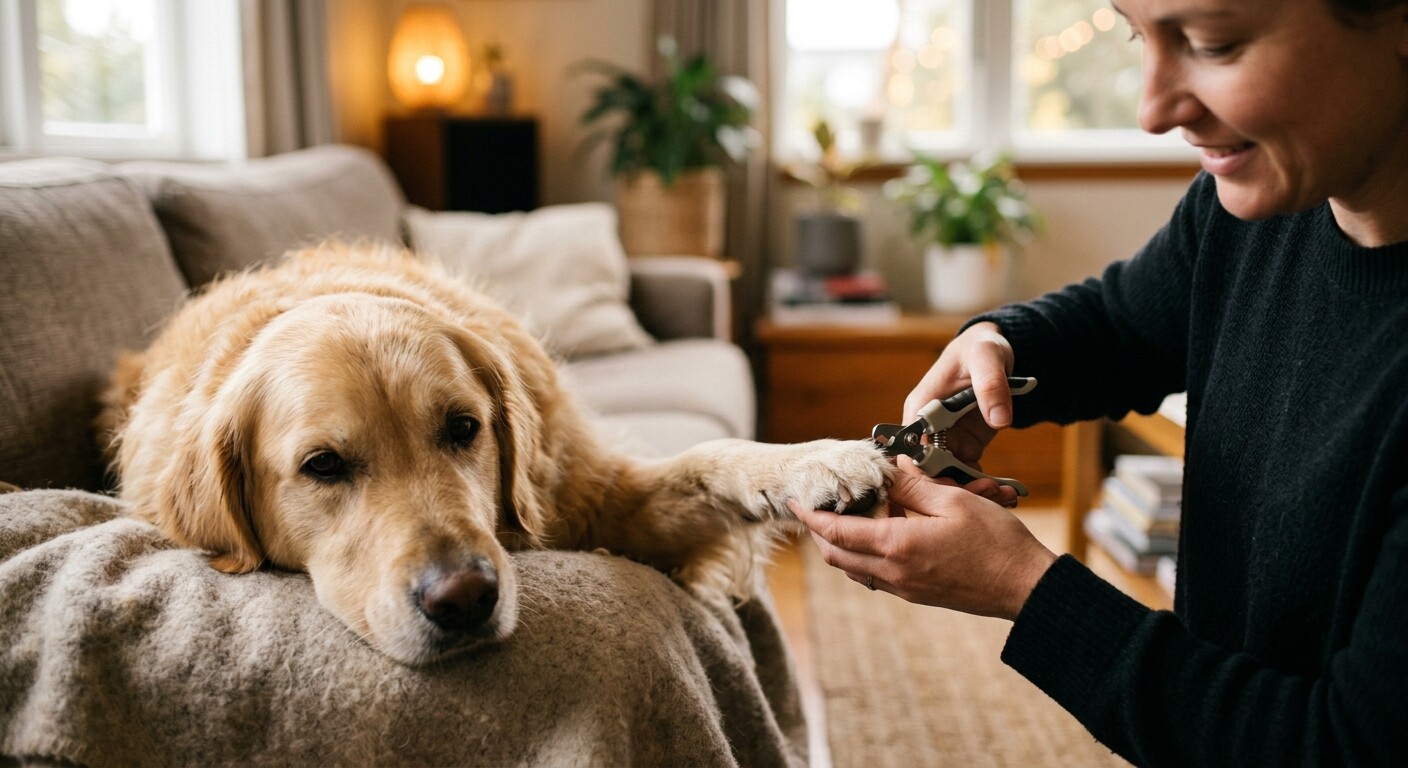
The best dog nail clippers in New Zealand — tested options, safety tips, and breed-specific picks for stress-free nail care at home.
Nail trimming is one of those essential dog care tasks that separates confident owners from the “I’ll pay someone else to do it” crowd. Like choosing the right dog food, nail care is fundamental to your dog’s health and wellbeing. And honestly? There’s no shame in either approach. But if you want to tackle nail care at home—whether to save money, reduce stress for your anxious dog, or simply maintain those nails between professional grooms—having the right clippers makes all the difference.
Most dogs hate having their feet touched, let alone having their nails trimmed. Add a pair of clippers that crush rather than cut, or that slip at the crucial moment, and you’ve got a recipe for disaster. Get it right with quality tools and patient technique, and nail trims become just another part of your grooming routine—alongside dental care and regular health monitoring.
I’ve put together my picks for the best nail clippers available in New Zealand, along with techniques that actually work when your Golden Retriever decides to channel their inner octopus.
Quick Recommendations
Best Overall: Safari Professional Nail Trimmer
Best Budget: Mikki Nail Clippers
Best for Large Dogs: Millers Forge Nail Clipper
Best Grinder: Dremel 7300-PT Pet Nail Grinder
Best for Pros: Andis Premium Nail Clipper
Understanding Dog Nail Anatomy
Before I get into clipper reviews, let’s talk about what you’re actually cutting. Dog nails have a hard outer shell (the bit you trim) and a pink interior called the quick, which contains blood vessels and nerves. Cut the quick, and you’ll have a bleeding, painful dog who remembers this experience for next time.
The goal is to trim just the clear or white tip of the nail, staying well clear of the pink quick. On dogs with dark nails, this becomes a guessing game that requires patience and small, incremental cuts.
Regular trimming actually causes the quick to recede over time, giving you more room to work with. Let nails grow too long, and the quick extends further, making it harder to get a good short trim without causing pain.
Signs Your Dog Needs a Nail Trim
- Clicking sounds on hard floors when walking
- Nails touch the ground when standing normally
- Curved growth starting to curl back toward the paw pad
- Difficulty walking on smooth surfaces due to lack of grip
- Scratches on skin from normal petting or play
Most dogs need nail trims every 2-4 weeks, though this varies based on activity level and surface they walk on. Dogs who walk regularly on concrete naturally wear their nails shorter than house dogs who mainly exercise on grass or carpet.
Types of Dog Nail Clippers
Scissor-Type Clippers
These look like small, curved scissors and are preferred by most professionals. They provide excellent control, make clean cuts, and work well on all nail sizes. The cutting blades meet evenly to slice through the nail rather than crushing it.
Pros:
- Clean, precise cuts
- Good visibility of nail placement
- Comfortable grip for most hand sizes
- Less likely to split or crack nails
Cons:
- Requires more precise positioning
- Can be intimidating for beginners
- More expensive than guillotine types
Guillotine Clippers
These feature a small hole where you insert the nail, then squeeze to bring a blade across. Popular with casual users, but generally not recommended by professionals due to several significant drawbacks.
Pros:
- Easy to position nail
- Feels more controlled for beginners
- Usually cheaper option
Cons:
- Can crush rather than cut cleanly
- Difficult to see exact cutting position
- Blades dull quickly
- Not suitable for large or thick nails
- Higher risk of splitting nails
These use a rotating drum with sandpaper to gradually file nails down. Slower than clippers but allow for very precise control and virtually eliminate the risk of cutting the quick.
Pros:
- Minimal risk of cutting too short
- Smooth, finished nail edge
- Good for dogs with thick or difficult nails
- Less traumatic if dog is used to the noise
Cons:
- Noise and vibration can frighten dogs
- Takes much longer than clipping
- Can generate heat with prolonged use
- More expensive than clippers
Best Dog Nail Clippers Available in NZ
Safari Professional Nail Trimmer - Best Overall
Price range: NZ$45-65
Best for: Medium to large dogs, professional-quality home use
Safari’s professional trimmer consistently gets top marks from groomers and vets across NZ. The stainless steel blades stay sharp longer than budget alternatives, and the ergonomic handle provides excellent control even during squirmy dog sessions.
The safety guard is adjustable, helping prevent cutting too much nail at once. Unlike many clippers, these maintain their cutting precision even after months of regular use.
What I like:
- Precision-ground stainless steel blades
- Comfortable, non-slip grip
- Adjustable safety guard
- Blades replaceable when worn
- Professional quality at reasonable price
Potential drawbacks:
- More expensive than basic clippers
- Might be overkill for occasional use
- Safety guard can feel restrictive for experienced users
Available at most Animates stores and online through PetDirect alternatives.
Mikki Nail Clippers - Best Budget Option
Price range: NZ$15-25
Best for: Small to medium dogs, occasional use
For dog owners who trim nails monthly rather than weekly, these budget clippers from Mikki offer solid performance without the premium price tag. The stainless steel blades are sharp out of the box and maintain their edge well enough for home use.
The grip is comfortable for average-sized hands, though it might feel small if you have larger hands or arthritis. No safety guard, so you’ll need to rely on your own judgment about how much to cut.
What I like:
- Excellent value for money
- Sharp, clean cuts when new
- Lightweight and easy to handle
- Available at most NZ pet stores
- Good for learning proper technique
Potential drawbacks:
- Blades can dull faster than premium options
- No safety guard or cutting guide
- Handle might be too small for large hands
- Not ideal for heavy use or professional settings
Found at The Warehouse, Animates, and most local pet shops across NZ.
Millers Forge Nail Clipper - Best for Large Dogs
Price range: NZ$35-50
Best for: Large breeds, thick nails, regular use
When your German Shepherd’s nails feel more like horse hooves than dog nails, you need clippers built for the job. Millers Forge makes robust tools that handle thick nails without the struggle or nail-crushing that smaller clippers cause.
The wider jaw opening accommodates large nails comfortably, and the heavy-duty construction means these clippers will last through years of regular use on big dogs.
What I like:
- Heavy-duty construction for large breeds
- Wide jaw opening for thick nails
- Excellent leverage for clean cuts
- Durable stainless steel blades
- Comfortable grip even with large hands
Potential drawbacks:
- Too large for small dog breeds
- Heavier than smaller clippers
- Higher price point
- Might be overwhelming for nervous dogs due to size
Available through PetStock and specialty grooming suppliers in NZ.
Dremel 7300-PT Pet Nail Grinder - Best Grinder
Price range: NZ$80-120
Best for: Anxious dogs, precision trimming, professional finishing
If your dog absolutely refuses to tolerate clippers, or you want the safest possible nail trimming method, a quality grinder like this Dremel can be a game-changer. Dogs with sensitive stomachs or anxiety issues often respond better to gradual grinding than sudden clipping sounds. The 7300-PT is designed specifically for pets, with lower noise and speed than standard Dremel tools.
The cordless design means no wires for dogs to worry about, and the rechargeable battery provides consistent power. Includes multiple grinding drums for different nail sizes.
What I like:
- Very low risk of cutting quick
- Smooth, professional nail finish
- Quiet operation compared to standard rotary tools
- Cordless convenience
- Multiple speed settings
Potential drawbacks:
- Requires patience to accustom dog to noise/vibration
- Much slower than clipping
- Higher initial cost
- Requires regular drum replacement
- Can generate heat with prolonged use
Available at Mitre 10 Mega and specialty tool retailers, with pet-specific attachments through PetStock.
Also worth checking: Fur King’s Clipper & Nail Grinder Bundle is an Australian direct option if you want a grinder and coat clippers in one kit. It ships from Sydney and lists DHL rates for NZ orders, so compare the landed price against buying a standalone Dremel or clipper locally before committing.
Andis Premium Nail Clipper - Professional Choice
Price range: NZ$55-80
Best for: Professional groomers, frequent use, precision work
Used by professional groomers throughout NZ, these Andis clippers offer the precision and durability that professionals demand. Many groomers who prioritize proper dog shampoo and coat care also insist on professional-grade nail tools. The spring-loaded handle reduces hand fatigue during long grooming sessions, and the blade geometry creates consistently clean cuts.
The safety lock prevents accidental opening when not in use, and the blades can be sharpened or replaced when needed.
What I like:
- Professional-grade build quality
- Excellent blade geometry for clean cuts
- Comfortable for extended use
- Safety lock mechanism
- Trusted by professional groomers
Potential drawbacks:
- Higher price point
- Might be overkill for casual users
- Less readily available in standard pet stores
- No cutting guide for beginners
Available through professional grooming suppliers and online specialty retailers.
Nail Trimming Technique Guide
Before You Start
Gather your supplies:
- Quality nail clippers
- Styptic powder (in case of bleeding)
- High-value treats
- Good lighting or torch
- Towel for lap dogs
Set the scene:
- Choose a quiet time when your dog is relaxed
- Good lighting is crucial for seeing nail structure
- Have treats ready for positive reinforcement
- Consider having someone help hold/calm your dog
Step-by-Step Trimming Process
1. Start with desensitization
If your dog hasn’t had their nails trimmed before, spend several days just handling their paws during relaxed moments. Touch each toe, gently press on pads, and reward calm behavior with treats. Starting this training early with puppies makes nail care much easier throughout their lives.
2. Position your dog
Small dogs can sit on your lap. Medium dogs work well standing on a table (with non-slip surface). Large dogs often do best standing on the floor with you kneeling beside them.
3. Hold the paw correctly
Grasp the paw firmly but gently, with your thumb on the pad and fingers over the top. Press gently on the pad to extend the nail fully.
4. Identify the cutting point
On clear nails, you can see the pink quick easily. Stay well clear of it. On dark nails, only cut small amounts at a time, watching for the small dark circle that indicates you’re approaching the quick.
5. Make the cut
Position the clippers at a 45-degree angle to match the natural nail curve. Make one confident cut rather than several tentative ones. Scissor-type clippers should cut from underneath the nail upward.
6. Reward immediately
Give treats and praise after each successful nail trim, even if you only managed one nail.
Common Mistakes to Avoid
Cutting too much at once
It’s better to trim nails more frequently with smaller cuts than risk cutting the quick with aggressive cutting.
Poor positioning
Make sure you can see clearly what you’re cutting. Use bright light or a torch if needed.
Rushing the process
Take breaks if your dog becomes stressed. Better to do one paw per day than create a traumatic experience.
Ignoring body language
If your dog is panting, trembling, or trying to escape, take a break and try again later.
Using dull clippers
Dull blades crush rather than cut, making the experience more uncomfortable and increasing the risk of nail splitting.
Special Considerations by Breed
Small Breeds (Toy Poodles, Chihuahuas, Jack Russells)
Small breed nails are delicate and can split easily with inappropriate clippers. Use scissor-type clippers sized for small nails, and be extra careful not to squeeze too hard.
Many small dogs are protective of their feet, so extra desensitization work pays off. Dogs with food allergies may also have sensitive skin that makes paw handling uncomfortable. Consider trimming on your lap where they feel secure.
Medium Breeds (Border Collies, Spaniels, Beagles)
Most standard clippers work well for medium breeds. Pay attention to activity level—working dogs who exercise on varied terrain may need less frequent trims than house pets.
Border Collies and other herding breeds often have strong, fast-growing nails that benefit from weekly attention rather than monthly trims.
Large Breeds (German Shepherds, Labs, Golden Retrievers)
Large breed nails can be surprisingly thick and tough. Regular clippers may struggle or create jagged cuts. Invest in heavy-duty clippers designed for large dogs.
Dogs like Golden Retrievers and Labrador Retrievers often have particularly thick nails due to their active nature and genetic predisposition.
Many large breeds are easier to work with due to their calmer temperament, but their size means you need good control of the clippers to avoid accidents.
Breeds with Dewclaws
Some breeds retain dewclaws (the “thumb” higher up on the leg). These don’t touch the ground and don’t wear naturally, so they grow quickly and can curl into the pad if ignored.
Dewclaws are often more sensitive than regular nails, so take extra care and use smaller cuts.
Working Dogs
Dogs who work on farms or spend significant time outdoors may have harder, more worn nails that require heavy-duty clippers. However, their increased activity often means less frequent trimming is needed.
Nail Grinding vs. Clipping
When to Choose Grinding
- Nervous dogs: The gradual process can be less traumatic
- Dark nails: Easier to avoid the quick with incremental removal
- Professional finish: Creates smooth, rounded nail tips
- Problem nails: Good for split or damaged nails that need careful attention
When to Choose Clipping
- Efficiency: Much faster than grinding
- Noise-sensitive dogs: Silent operation
- Regular maintenance: More practical for frequent touch-ups
- Multiple dogs: Faster for households with several dogs
Many professional groomers use clippers for initial trimming and finish with a grinder for smooth edges.
Dealing with Nail Trimming Anxiety
Desensitization Training
Start by simply touching your dog’s paws during calm moments. Gradually progress to holding each toe, then pressing on pads to extend nails. Reward calm behavior with treats and praise.
Practice with the clippers near (but not touching) your dog’s paws. Let them see and hear the clippers working before attempting to use them.
Positive Associations
Always pair nail trimming with high-value treats and praise. Some dogs respond well to having nail trims done during meal times when they’re distracted.
Consider breaking the process into multiple sessions. Even trimming one nail per day is better than creating a traumatic experience. Some dogs benefit from having durable chew toys or puzzle feeders to keep them occupied during the process.
Professional Help
If your dog becomes aggressive or extremely fearful, consult a professional groomer or veterinary behaviorist. Some dogs benefit from mild sedation for nail trims, though this should be a last resort after behavior modification attempts. Dogs with chronic anxiety may also benefit from digestive support as gut health significantly impacts stress response.
Many groomers offer “nail trim only” appointments for around NZ$15-25, which can be cost-effective if your dog is particularly difficult. For dogs with ongoing anxiety issues, consider discussing the cost-effectiveness of pet insurance that covers behavioral consultations.
Maintaining Your Clippers
Regular Cleaning
Wipe blades clean after each use to prevent buildup of nail debris. Use a small brush to clean between blade components.
Sharpening
Professional sharpening services are available through grooming suppliers, typically costing NZ$15-25. Alternatively, replacement blades are available for most quality clippers.
Storage
Store clippers in a dry location to prevent rust. Many come with blade covers to protect cutting edges.
When to Replace
Replace clippers when blades no longer make clean cuts, even after sharpening. Dull or damaged clippers can split nails and make trimming more difficult.
Emergency Care for Nail Injuries
If You Cut the Quick
Stay calm. Your dog will pick up on your stress and become more anxious.
Apply styptic powder immediately to stop bleeding. If you don’t have styptic powder, cornstarch or flour can help clot blood.
Apply firm pressure for 30 seconds with a clean cloth.
Monitor for signs of infection over the following days—swelling, heat, or continued bleeding warrants a vet visit. Dogs with compromised immune systems or those not receiving adequate nutritional support may be at higher risk for complications.
When to See a Vet
- Excessive bleeding that doesn’t stop within 5 minutes
- Signs of infection following a nail injury
- Ingrown nails that have curved into the pad
- Damaged or split nails that extend into the quick
- Extreme fear or aggression that makes nail care impossible
Where to Buy Dog Nail Clippers in NZ
Physical Stores
Animates: Wide selection including Safari and Mikki brands
PetStock: Professional-grade options including Andis
The Warehouse: Budget options like Mikki clippers
Farmlands: Rural stores often stock heavy-duty farming dog supplies
Veterinary clinics: Often sell professional-grade tools
Online Options
PetDirect alternatives: Comprehensive selection with delivery
TradeMe: Both new and secondhand options available
Amazon Australia: Ships to NZ with wider grinder selection
Specialty grooming suppliers: Professional tools with expert advice
Cost Considerations
Initial Investment
Budget clippers: NZ$15-30
Professional clippers: NZ$40-80
Grinder tools: NZ$80-150
Long-term Value
Quality clippers can last years with proper care, making them significantly more economical than regular professional grooming visits (typically NZ$15-25 per trim).
For dogs requiring monthly trims, good clippers pay for themselves within 2-3 months compared to professional services.
Replacement Costs
Blade sharpening: NZ$15-25
Replacement blades: NZ$20-40
Grinder drums: NZ$15-30 for multi-pack
Choosing the Best Dog Nail Clippers for Your NZ Dog
Nail trimming doesn’t have to be a wrestling match that ends with both you and your dog stressed and defeated. The right tools, proper technique, and patience create positive experiences that your dog can learn to tolerate, if not actually enjoy.
For most NZ dog owners, scissor-type clippers like the Safari Professional offer the best combination of performance, durability, and value. If you’re dealing with nail-trimming anxiety (yours or your dog’s), a grinder like the Dremel 7300-PT provides the safest introduction to home nail care.
Remember that nail trimming is a skill that improves with practice. Start conservatively, take your time, and don’t hesitate to seek professional help if your dog’s anxiety or your own confidence becomes a barrier to proper nail care.
Your dog’s nails are an important part of their overall health and comfort. Properly maintained nails improve mobility, reduce the risk of injury, and prevent painful ingrown nails. With the right tools and technique, regular nail care becomes just another part of keeping your dog healthy and happy.
Talk to your vet if you notice any signs of nail infection, injury, or if your dog shows extreme anxiety about nail handling. Professional groomers throughout NZ are also excellent resources for learning proper nail care techniques.
 PawPick