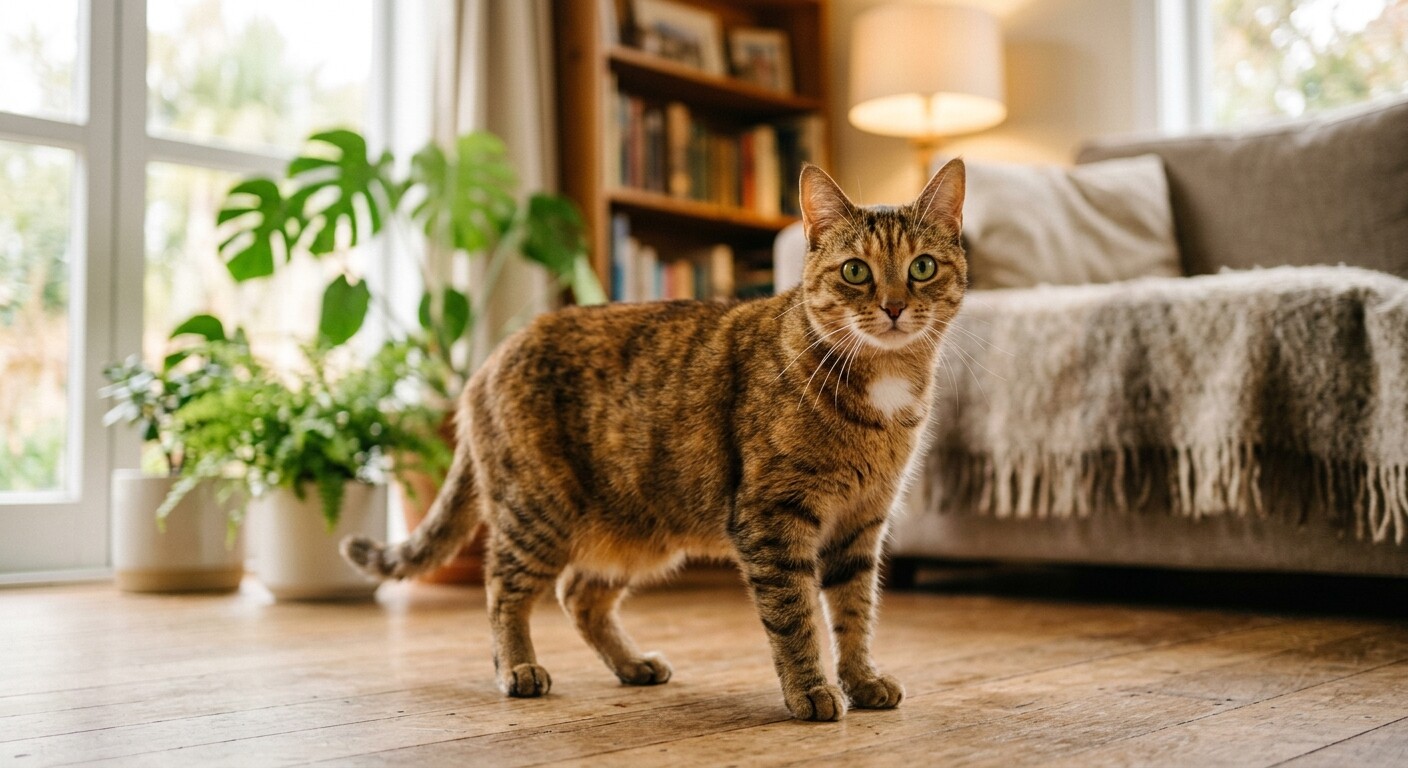
The best pet supplements in NZ actually worth buying — joint health, skin, and digestion for dogs and cats compared. Honest picks with real NZ pricing.
When your dog’s joints creak getting up in the morning, or your cat’s coat has lost its shine, quality supplements can make a real difference. But the supplement aisle is full of bold claims and mediocre products — and most pet owners I know have bought something that did absolutely nothing.
I’ve spent a fair amount of time researching what actually works, what’s well-formulated, and what’s available here in NZ. This isn’t about magic bullets. It’s practical guidance on evidence-backed options for the health concerns that actually come up — joint pain, skin issues, digestive sensitivities — from brands that meet decent quality standards.
Quick Picks: Best Pet Supplements NZ
- Best Joint Supplement: 4Cyte Epiitalis Forte — backed by actual clinical trials, not just marketing
- Best Omega-3: Ziwi Peak Daily-Cat Digestive Support — pure NZ green-lipped mussel oil
- Best Probiotic: VetPlus Synoquin Joint Support — well-formulated, widely used by vets
- Best Multivitamin: Blackmores PAW Multi-Vitamin — pharmaceutical-grade, no fillers
- Best Value: Vetalogica VitaRapid Daily — solid all-rounder without the premium price
Talk to your vet before starting any supplement. I’m not a vet — these picks are based on research and personal experience, not clinical authority. They complement proper nutrition and veterinary care, not replace either.
When Do Pets Actually Need Supplements?
Your dog or cat gets most nutrients from quality commercial food. Supplements aren’t necessary for every pet—but specific situations where they genuinely help. If you’re not confident the base diet is doing its job, sort that first with a proper dog food guide:
Dogs Benefit From Supplements When:
- Age 7+ with stiff joints (glucosamine, green-lipped mussel)
- Skin allergies or dull coat (omega-3 fatty acids)
- Digestive sensitivities (probiotics, prebiotics — see my sensitive stomach food guide)
- Recovery from illness (targeted nutrient support)
- Working/athletic dogs (joint and muscle support)
- Weight management (L-carnitine, metabolism support)
- Breed-specific concerns — staffies like Māui tend to need skin support, shepherds and collies benefit from joint and digestive help
- Anxiety and stress (calming supplements like L-theanine)
Cats Need Supplements For:
- Urinary tract health (cranberry, D-mannose)
- Older cats with arthritis (joint support)
- Indoor cats lacking dietary variety (taurine, vitamins)
- Stress or anxiety (L-theanine, pheromones)
- Digestive issues (probiotics, digestive enzymes)
- Hairball management (fibre, oils)
- Weight management (L-carnitine)
- Growing kittens — usually don’t need supplements if they’re on decent kitten food
When to Skip Supplements:
- Young, healthy pets eating balanced commercial food
- Already receiving prescription diets (may contain therapeutic levels)
- Without vet guidance for serious health conditions
- Poor-quality base diet (fix nutrition first)
The foundation is always proper nutrition—supplements support, they don’t substitute.
Joint Health Supplements: For Mobility & Pain Relief
New Zealand’s aging pet population means joint issues affect 1 in 4 dogs over 7. These supplements can genuinely improve comfort and mobility:
4Cyte Epiitalis Forte - Best Overall
Price: $89-149 | Available: Most NZ vet clinics, PetStock
Why it works: Contains Epiitalis (green-lipped mussel) that was actually tested in University of Melbourne trials — not just “clinically proven” marketing speak. New Zealand green-lipped mussels provide natural anti-inflammatory compounds found nowhere else.
Ideal for:
- Dogs showing early stiffness
- Senior cats with subtle mobility changes
- Large breeds prone to hip dysplasia (German Shepherds, Golden Retrievers, Labs)
- Working breeds that need joint maintenance from an early age
What owners notice: Less stiffness getting up, better mobility on cold mornings, more willingness to move. Most people see results within 4-6 weeks.
Tip: Ramps and non-slip mats at home make a bigger difference than you’d expect alongside any joint supplement regime. If you want a tighter shortlist focused purely on mobility support, see my guide to the best dog joint supplements in NZ.
Check 4Cyte availability →
Synoquin Joint Support - Vet Favorite
Price: $79-199 | Available: Vet clinics, Animates
Why vets recommend it: Combines glucosamine, chondroitin, and omega-3 in pharmaceutical-grade formulation. No fillers or questionable ingredients.
Best for:
- Moderate to advanced joint wear
- Large breeds prone to hip/elbow issues
- Cases requiring stronger intervention than 4Cyte
Particularly popular with German Shepherd, Labrador, and Golden Retriever owners, but worth considering for any breed prone to joint issues. Takes 6-8 weeks for full benefit, so give it a proper trial before writing it off.
Natural Joint Support Options
Blackmores PAW Joint Care: Budget-friendly option ($45-65) with glucosamine and chondroitin. Less potent than clinical formulas but suitable for mild cases or prevention.
ZIWI Peak Oral Health Care: Contains green-lipped mussel plus dental benefits ($35-55). Good choice for pets needing both joint and teeth support.
Dosing reality check: Follow vet guidance, not package suggestions. Underdosing is the biggest reason joint supplements “don’t work.”
Omega-3 & Skin Health: The Coat Game-Changers
Dull, itchy skin affects 30% of NZ pets—often from environmental allergens or inadequate essential fatty acids. Quality omega-3 supplements can transform coat condition:
ZIWI Peak Daily-Cat Digestive Support - Premium Choice
Price: $42-65 | Available: Specialty pet stores, online
What makes it special: Pure New Zealand green-lipped mussel oil—the most bioavailable omega-3 source for pets. No fish processing, no heavy metals, sustainably harvested.
Perfect for:
- Cats with sensitive stomachs
- Dogs with fish allergies
- Pets needing anti-inflammatory support
- Anyone wanting the highest quality
Results: Shinier coat within 3-4 weeks, reduced scratching, better skin barrier function. Particularly effective for pets that don’t respond to fish oil.
Blackmores PAW Omega Plus - Best Value
Price: $29-45 | Available: Pharmacies, vet clinics
Why it works: Pharmaceutical-grade fish oil with optimal EPA/DHA ratios. Australian TGA manufacturing standards ensure purity and potency.
Ideal for:
- Budget-conscious owners wanting quality
- Multiple pets (larger bottles available)
- Dogs without fish sensitivities
- General coat and skin maintenance
Owner experience: Significant reduction in seasonal scratching, softer coat texture, less dry skin flaking. Works well for most pets within 2-3 weeks.
ZamiPet Omega 3
Price: $32-48 | Available: PetDirect, specialty pet stores
A fish-oil supplement from ZamiPet worth mentioning as a third option if the above two aren’t available or don’t suit your budget. Standard fish-oil format, EPA/DHA focus, from a reputable Australian brand with NZ distribution. Nothing unusual about it — just a solid, clean product.
Natural Skin Support
Vetalogica Naturals Omega Oil: Australian-made with added vitamin E for antioxidant support ($25-38). Good middle-ground option.
PAW Nutriderm Supplement: Combines omega fatty acids with zinc and biotin for comprehensive skin health ($35-49).
Application tip: Mix liquid oils into food — don’t give straight. Start with half the recommended dose to avoid loose stools.
Digestive Health: Probiotics & Gut Support
Digestive issues are more common than most owners realise — Māui spent years with an unpredictable stomach before I found the right combination of food and gut support. Probiotics are often the missing piece, especially after antibiotics or during diet transitions. If gut support is the main problem you’re trying to solve, jump to the dedicated guide to the best pet probiotics in NZ.
Blackmores PAW Digesticare - Veterinary Strength
Price: $55-79 | Available: Vet clinics, premium pet stores
Why it’s effective: Contains multiple beneficial bacterial strains specifically researched for pets. Not human probiotics repackaged—formulated for animal digestive systems.
Best for:
- Post-antibiotic recovery
- Chronic loose stools or gas
- Food sensitivity management
- Senior pets with digestive decline
What to expect: Firmer stools within 1-2 weeks, reduced gas, better appetite. If your dog is still struggling with sensitivity after getting the probiotic right, it’s worth checking the sensitive stomach food guide — the food foundation matters just as much.
Vetalogica VitaRapid Digestive Health
Price: $38-55 | Available: PetStock, Farmlands
Value proposition: Treats format makes administration easy. Contains probiotics plus prebiotics to feed beneficial bacteria.
Perfect for:
- Fussy pets that won’t take capsules
- Multi-pet households
- Prevention rather than treatment
- Budget-conscious ongoing support
Real-world results: Less stomach upset during diet changes, more consistent digestion, improved nutrient absorption.
ZamiPet HappiTreats Probiotics
Price: $28-42 | Available: PetDirect, specialty pet stores
If your dog is the type who turns their nose up at anything that smells remotely medicinal, HappiTreats are worth knowing about. They’re a treat-format probiotic from Australian brand ZamiPet — you’re giving your dog what looks and smells like a snack, and they’re getting live bacterial cultures along with it. That palatability angle makes a genuine difference for fussy dogs or households where capsule-wrangling is a nightly battle. ZamiPet is a premium Australian brand with solid NZ availability, and the treat format keeps compliance high for ongoing gut support.
Natural Digestive Support
Pumpkin and Sweet Potato: Simple, effective fiber source for mild digestive issues. Many pets improve with just dietary fiber addition.
Bone Broth: Homemade or quality commercial versions provide gut-healing nutrients and palatability.
Probiotic foods: Natural yogurt (unsweetened) in small amounts can help some pets—but dedicated pet probiotics are more effective.
Multivitamins & General Health
Most pets on quality commercial diets don’t need multivitamins—but certain situations where they help:
Blackmores PAW Multi-Vitamin - Pharmaceutical Grade
Price: $45-68 | Available: Pharmacies, vet clinics
When it’s worth it: Senior pets with declining appetite, rescue animals recovering from poor nutrition, or pets on restricted diets due to allergies. If your dog is on a limited ingredient diet, a multivitamin can fill the gaps.
Quality indicators:
- Australian TGA manufacturing
- No artificial colors or fillers
- Bioavailable vitamin forms
- Conservative dosing (no mega-doses)
Realistic expectations: More energy in older pets, better immune function during stress, shinier coat over time. Not a miracle cure—supportive nutrition.
For Specific Needs
Growing Puppies/Kittens: Usually unnecessary if eating quality puppy food or kitten food. Exception: large breed puppies may benefit from controlled calcium supplementation.
Senior Pets (10+ years): May benefit from antioxidant support and B-vitamins for cognitive function.
Rescue/Recovery: Short-term multivitamin support during nutritional rehabilitation can accelerate recovery.
Specialty Supplements: Targeted Solutions
Calming & Anxiety Support
Zylkene (L-theanine): Genuine anxiety reduction without sedation ($45-69). I’ve heard good things from owners using it for fireworks season and travel. Worth trying before jumping to prescription options.
Adaptil/Feliway: Pheromone treatments can work alongside nutritional support for comprehensive anxiety management.
Cognitive Support (Senior Pets)
Aktivait: Antioxidant blend for aging brain support ($55-79). Most effective when started early in cognitive decline.
Omega-3 EPA: High-EPA fish oil specifically for brain health in senior pets.
Urinary Health (Especially Cats)
Cranberry supplements: May help with recurrent UTIs, but prescription diets usually more effective for serious urinary issues.
How to Choose the Right Supplements
1. Identify the Real Problem
Don’t supplement symptoms — address root causes. Joint stiffness might be a weight issue or a need for better bedding, not a supplement deficiency. Dull coat could be food quality or grooming, not omega-3 levels.
2. Check with Your Vet First
This isn’t just legal disclaimer—it’s practical advice. Your vet knows your pet’s health history and can prevent supplement-medication interactions.
3. Quality Markers to Look For
- TGA or equivalent certification (pharmaceutical standards)
- Research backing (clinical trials, not just testimonials)
- Clear ingredient lists (no proprietary blends hiding amounts)
- Appropriate dosing (not mega-doses or homeopathic amounts)
4. Start One at a Time
Don’t shotgun multiple supplements—you won’t know what’s working. Start with the most important, assess results after 4-6 weeks, then consider additions.
5. Set Realistic Expectations
Good supplements support health—they don’t cure disease. If your pet has serious health issues, focus on proper veterinary care first.
Where to Buy Pet Supplements in NZ
Veterinary Clinics
Pros: Professional guidance, pharmaceutical-grade products, dosing advice
Cons: Higher prices, limited brand selection
Best for: Serious health concerns, prescription-strength supplements
PetStock & Animates
Pros: Wide selection, competitive prices, knowledgeable staff
Cons: Quality varies by brand, less professional guidance
Best for: Maintenance supplementation, trusted brands
Online Retailers
Pros: Best prices, largest selection, convenience
Cons: No professional advice, fake products possible
Best for: Ongoing supplementation of known products
Pharmacies (Blackmores PAW)
Pros: Pharmaceutical standards, pharmacist consultation available
Cons: Limited pet-specific selection
Best for: Blackmores PAW range, general health support
Dosing & Safety Guidelines
Start Low, Go Slow
Begin with minimum recommended doses to assess tolerance. You can always increase—you can’t un-give an overdose.
Monitor for Side Effects
Watch for:
- Digestive upset (nausea, loose stools)
- Changes in appetite or energy
- Unusual behavior or lethargy
- Skin reactions (rare but possible)
Storage Matters
Keep supplements:
- In original containers with desiccant packs
- Away from heat and humidity
- Sealed to prevent oxidation
- Out of reach of pets (ironically)
Expiration Dates Are Real
Use supplements before expiry dates—potency degrades over time, especially with oils and probiotics.
Supplement Interactions & Warnings
Avoid These Combinations:
- Blood thinners + Fish oil (increased bleeding risk)
- Heart medications + Hawthorn (additive effects)
- Multiple calcium sources (kidney stress in predisposed pets)
Human Supplements That Are Dangerous for Pets:
- Iron supplements (toxic to dogs and cats)
- Xylitol-containing vitamins (deadly to dogs)
- Vitamin D3 in human doses (causes kidney failure)
- Garlic supplements (damages red blood cells)
Call your vet if you notice:
- Persistent vomiting or diarrhea
- Extreme lethargy or behavior changes
- Difficulty breathing or swallowing
- Any serious deterioration in condition
The Bottom Line: Smart Supplementation for NZ Pets
Quality supplements can genuinely improve your pet’s health—but they work best as part of comprehensive care, not as quick fixes.
My top picks:
For Joint Health: Start with 4Cyte Epiitalis Forte for early issues, upgrade to Synoquin for advanced cases.
For Skin & Coat: ZIWI Peak Daily-Cat for premium quality, Blackmores PAW Omega Plus for value.
For Digestive Health: Blackmores PAW Digesticare for serious issues, Vetalogica VitaRapid for maintenance.
Remember:
- Vet consultation first for any health concerns
- One supplement at a time to assess effectiveness
- Quality over quantity—a few good supplements beat many mediocre ones
- Patience required—most supplements need 4-8 weeks to show benefits
Good supplements enhance an already solid foundation — they don’t prop up a shaky one. Get the food right first, then layer in targeted support where it’s actually needed.
Frequently Asked Questions
Do pets really need supplements if they eat quality commercial food?
Most pets eating premium commercial diets get adequate nutrition, but supplements can address specific issues like joint pain, skin allergies, or digestive sensitivities. They’re supportive, not essential for every pet.
How long do pet supplements take to work?
Joint supplements typically show results in 4-8 weeks, omega-3 oils improve coat in 3-4 weeks, and probiotics may help digestion within 1-2 weeks. Patience is essential—stop-and-start supplementation rarely works.
Are human supplements safe for pets?
Generally no. Pets need different doses and formulations. Many human supplements contain xylitol, iron, or other ingredients toxic to dogs and cats. Always choose pet-specific products.
Can I give my pet too many supplements?
Absolutely. Over-supplementation can stress kidneys, upset digestion, or cause nutrient imbalances. Start with one supplement for the most pressing issue, then add others gradually if needed.
What’s the difference between vet clinic and pet store supplements?
Vet clinic supplements typically meet pharmaceutical standards with stricter quality control and proven formulations. Pet store supplements vary widely—some excellent, others poorly regulated. Check for TGA certification and research backing.
Should senior pets take different supplements than young pets?
Yes. Senior pets often benefit from joint support, antioxidants for brain health, and digestive aids. Young, healthy pets usually don’t need any supplements if eating balanced commercial food.
How do I know if a supplement is actually working?
Monitor specific changes: increased mobility for joint supplements, shinier coat for omega oils, firmer stools for probiotics. Keep notes and photos—gradual improvements are easy to miss day-to-day.
Are expensive supplements always better?
Not necessarily, but quality costs money. Look for pharmaceutical-grade manufacturing, research backing, and appropriate doses. Extremely cheap supplements often contain minimal active ingredients.
Related guides:
- Best Pet Probiotics in NZ
- Best Omega-3 for Dogs in NZ
- Best Dog Joint Supplements in NZ
- Best Calming Supplements for Dogs in NZ
- Best Dog Food in NZ
- Best Cat Food in NZ
- Best Dog Food for Sensitive Stomachs in NZ
- Best Dog Food for Allergies in NZ
- Best Senior Dog Food in NZ
- Best Pet Insurance in NZ
 PawPick