 PawPick
What is the best cat food for urinary health in NZ?
For active urinary issues, Hill's Prescription Diet c/d Multicare is the gold standard. For prevention, Hill's Science Diet Urinary Hairball Control offers excellent value at supermarket prices.
The best cat foods for urinary health in New Zealand. Hill's c/d, Royal Canin Urinary SO, and preventive diets compared — with NZ pricing and vet guidance.
Last updated
 By Jess Aldridge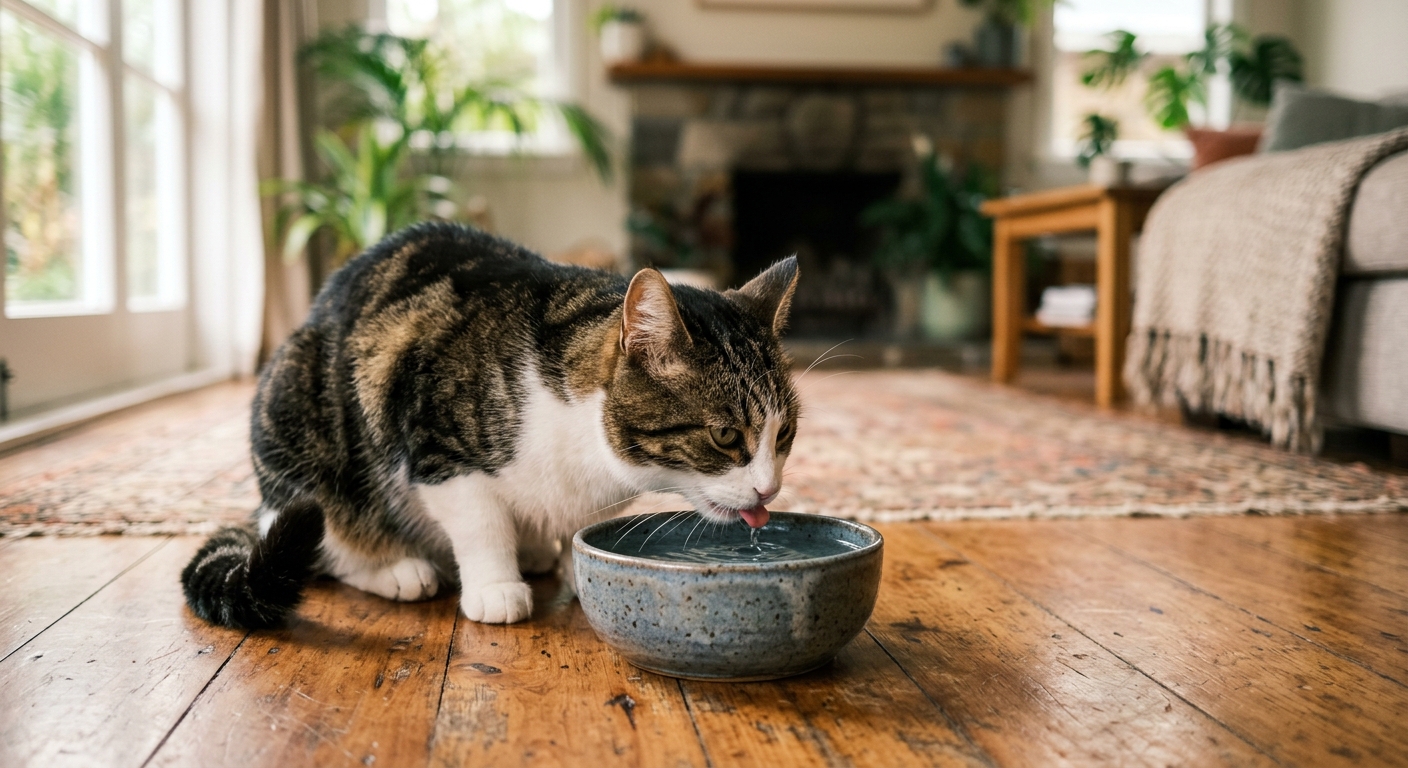
Urinary issues are surprisingly common in New Zealand cats — particularly FLUTD (Feline Lower Urinary Tract Disease) and crystal formation. The right diet makes an enormous difference, but navigating prescription foods versus preventive diets can be confusing.
I’ve researched the most effective urinary health cat foods available in NZ, from Hill’s c/d to Royal Canin Urinary SO, plus everyday foods that support long-term urinary wellness. If you’re after general cat nutrition advice, my cat food guide covers all life stages and needs.
Urinary cat food quick picks
| Need | Best pick | Why this one | Where to buy |
|---|---|---|---|
| Active urinary issues | Hill's Prescription Diet c/d Multicare | Therapeutic urinary diet for cats under veterinary direction; use the link for price/stock comparison, not self-prescribing. | Check Hill's c/d at VetSupply → |
| Wet-food support | Hill's c/d Multicare wet | Same urinary focus with the moisture older or blockage-prone cats often need. | Check Hill's c/d wet at VetSupply → |
| Everyday urinary care | Purina Pro Plan Urinary Tract Health | A lower-cost maintenance option when your vet has not prescribed a therapeutic diet. | Check Pro Plan Urinary at VetSupply → |
Affiliate coverage check: VetSupply has live listings for Hill's c/d Multicare dry and wet, plus Pro Plan urinary cat food. Prescription or therapeutic diets still belong in a vet conversation; use these links for price/stock comparison and follow NZ prescription/import rules before ordering from Australia. Product-pack images were not added because PawPick has no verified licensed pack shots for these SKUs.
Several factors make urinary issues common in New Zealand cats:
Low water intake. Many cats don’t drink enough, especially on dry food. Concentrated urine creates ideal conditions for crystals and stones.
Stress. Moving house, new pets, construction noise — stress directly impacts urinary health by changing pH and immune function. Pōhu gets visibly unsettled with any disruption, and I’ve learned that maintaining routines matters more than people think.
Weight. Overweight cats (increasingly common in NZ) have higher FLUTD rates. Less exercise plus inflammation makes problems worse. Indoor cats are particularly prone to weight gain.
Diet composition. High-magnesium foods can promote crystal formation. Many standard cat foods aren’t formulated with urinary prevention in mind.
Age. Senior cats face increased urinary risks due to decreased kidney function and reduced mobility affecting litter box access.
Early intervention is crucial. Watch for:
Any urinary blockage signs (male cats especially) require immediate vet attention. This includes straining with no urine production, vomiting, lethargy, or hiding. Blockage surgery can cost $2,000–4,000 in NZ — pet insurance is worth considering for this reason alone.
The gold standard for urinary health management in NZ veterinary clinics.
What makes it effective:
Who it’s for: Cats with diagnosed urinary issues, recurrent crystals, or FLUTD episodes.
NZ availability: Most veterinary clinics stock it. Animates and Pet Essentials carry it with prescription.
Cost: $4–5 per pouch for wet, $85–110 per 4kg bag for dry. Expensive but genuinely therapeutic — compare that with emergency surgery costs and the maths speaks for itself.
Real talk: Your cat might not love the taste initially. The formulation prioritises health over palatability, but most adapt within a week. Patience and a gradual transition make all the difference.
Hill’s main competitor in the prescription urinary space. Very similar science, slightly different approach.
Key differences from Hill’s:
Who it’s for: Cats needing prescription urinary management who won’t eat Hill’s, or where vets prefer Royal Canin’s formulation. For a deeper brand comparison, I’ve done a full Hill’s vs Royal Canin analysis.
NZ cost: Similar to Hill’s — around $4–5 per pouch wet, $80–100 per 4kg dry.
The verdict: If your cat likes the taste better, it’s equally effective. Don’t stress over brand choice — consistency matters more.
Prescription diets are required for:
Your vet will specify the exact formula and feeding duration. Some cats need it temporarily (3–6 months), others long-term.
The best over-the-counter option for cats prone to urinary issues. No prescription needed.
Why I recommend it:
Cost: Around $35–45 per 4kg bag — reasonable for a therapeutic formula.
Perfect for: Indoor cats, cats with hairball issues, or anyone wanting urinary prevention without prescription costs.
A solid budget option that still delivers urinary benefits.
What it offers:
Cost: $25–35 per 3kg bag. Excellent value for targeted nutrition.
Trade-offs: Less specialised than Hill’s Science Diet, but still beneficial for prevention.
Another supermarket-available option with urinary benefits.
Benefits:
Cost: Around $20–30 per 3kg bag. Budget-friendly prevention.
The single best thing you can do for cat urinary health is increase water intake. Wet food is the most practical way to do that.
Diluted urine = fewer problems. Wet food provides 70–80% moisture content versus 10% in dry kibble. This means:
Even average wet food beats premium dry food for urinary health. I can’t emphasise this enough.
Hill’s Science Diet Urinary Hairball (wet): The wet version of my top preventive pick. Expensive at $3–4 per can but excellent for cats needing extra help.
Royal Canin Urinary Care (wet): Over-the-counter formula, less intensive than the prescription SO. Around $2–3 per pouch.
Any decent wet food: Honestly, getting your cat eating wet regularly is more important than the specific brand for prevention. Start there.
Add water to everything. Even wet food can be thinned with extra water. Most cats adapt quickly.
Fountain vs bowl: Many cats prefer moving water. Pet fountains encourage drinking, especially for cats used to taps. Check out my pet water fountain guide for options.
Multiple water sources: Place several bowls around the house. Fresh water daily. Some cats are fussy about bowl placement — away from food and the best cat litter NZ setup for your tray routine tends to work best.
Small, frequent meals work better than once-daily feeding for urinary health. Split daily food into 3–4 portions. Automatic feeders are genuinely useful here if you’re not home during the day.
Why this helps: More consistent nutrient absorption and urine production. Avoids large pH swings that promote crystal formation.
Go slow. Mix 25% new food with 75% current food for 3–4 days, then 50/50 for 3–4 days, then 75/25 for 3–4 days, then 100% new food.
Prescription diets especially: Cats often resist therapeutic formulas initially. Patience and gradual transition are essential.
High-moisture, species-appropriate diets can absolutely support urinary health. Many raw-fed cats have excellent urinary wellness.
But: Raw diets require careful mineral balancing. Commercial raw foods vary widely in formulation.
For cats with existing urinary issues: Stick with veterinary diets until resolved, then discuss raw options with your vet.
If you want to explore raw for urinary health:
Cost reality: Premium raw costs $8–15 per day for an average cat. Prescription diets are often cheaper.
Generic supermarket dry foods often contain excessive ash (mineral content). Check labels — ash should be under 7%.
Fish-heavy diets: Too much fish can provide excess phosphorus and magnesium. Variety is better.
Whiskas “Healthy Urinary” and similar supermarket versions are marketing more than medicine. They’re better than regular food but nowhere near as effective as therapeutic diets.
Not necessarily harmful — just not very helpful for cats with genuine urinary issues.
| Food Type | Daily Cost (5kg cat) | Monthly Cost |
|---|---|---|
| Hill’s c/d (prescription) | $3.50–4.50 | $105–135 |
| Royal Canin SO (prescription) | $3.50–4.50 | $105–135 |
| Hill’s Science Diet Urinary | $2.00–2.50 | $60–75 |
| Purina Pro Plan Urinary | $1.50–2.00 | $45–60 |
| Regular premium wet food | $2.00–3.00 | $60–90 |
| Supermarket dry only | $0.50–1.00 | $15–30 |
Prescription diets are expensive but cheaper than repeated vet visits and blockage surgery. Think of it as preventive spending.
Any male cat straining to urinate needs emergency attention. Blockages can be fatal within 24–48 hours. Don’t wait it out.
Blood in urine, pain while urinating, or frequent unsuccessful attempts all warrant same-day vet visits.
Annual urinalysis is smart for any cat over 7 years old, especially if they’ve had urinary issues before.
Weight monitoring: Overweight cats have much higher FLUTD rates. Regular weigh-ins help prevention.
Bring a fresh urine sample if possible (use non-absorbent litter for collection).
List all foods and treats your cat eats. Even small amounts of inappropriate food can affect urinary health.
Discuss long-term feeding plans. Some cats need lifelong dietary management, others can transition back to regular food after treatment.
Moisture matters most. Getting your cat eating wet food regularly will do more for urinary health than any specific brand choice.
For active problems, use prescription diets as directed by your vet. Hill’s c/d and Royal Canin SO are both excellent — choose based on what your cat will actually eat consistently.
For prevention, Hill’s Science Diet Urinary Hairball Control offers the best science-backed nutrition without prescription requirements.
Budget-conscious approach: Even switching from dry-only to wet-only feeding (any decent brand) significantly improves urinary health outcomes. Don’t let perfect be the enemy of good here. For cats on long-term therapeutic diets, it’s also worth looking at best cat dental chews in NZ — dental health and urinary health often go hand in hand as part of a broader preventive care routine.
Q: Can I mix prescription and regular food? A: Only with vet approval. Mixing can dilute the therapeutic effect of prescription formulas.
Q: How long does it take to see improvement? A: Usually 2–4 weeks on therapeutic diets. Some cats show improvement within days.
Q: Are urinary health diets safe for healthy cats? A: Generally yes for preventive formulas. Prescription diets should only be used as directed by vets.
Q: What about male vs female cats? A: Male cats have higher blockage risk due to anatomy, but both sexes benefit from urinary health nutrition.
Q: Can treats interfere with urinary diets? A: Yes. Stick to approved treats or use small pieces of the therapeutic food as treats.
Last updated: March 2026. Talk to your vet for cats showing urinary symptoms.
For active urinary issues, Hill's Prescription Diet c/d Multicare is the gold standard. For prevention, Hill's Science Diet Urinary Hairball Control offers excellent value at supermarket prices.
Therapeutic diets like Hill's c/d and Royal Canin Urinary SO require vet prescription in NZ. However, preventive foods like Science Diet Urinary are available at supermarkets and pet stores without prescription.
Prescription urinary diets are typically fed long-term or permanently to prevent recurrence. Your NZ vet will advise based on your cat's specific condition — never discontinue prescription diets without veterinary guidance.
Yes, wet food significantly helps by increasing water intake. NZ vets often recommend wet versions of prescription diets, and the higher moisture content helps flush the urinary system naturally.
Not necessarily. Urinary health depends more on mineral content, pH balance, and moisture rather than grain content. Hill's and Royal Canin prescription diets contain grains but are specifically formulated for urinary support.
Avoid foods high in magnesium, ash, or phosphorus. Don't feed fish-heavy diets long-term, and ensure fresh water is always available. Most importantly, stick to your vet's dietary recommendations.