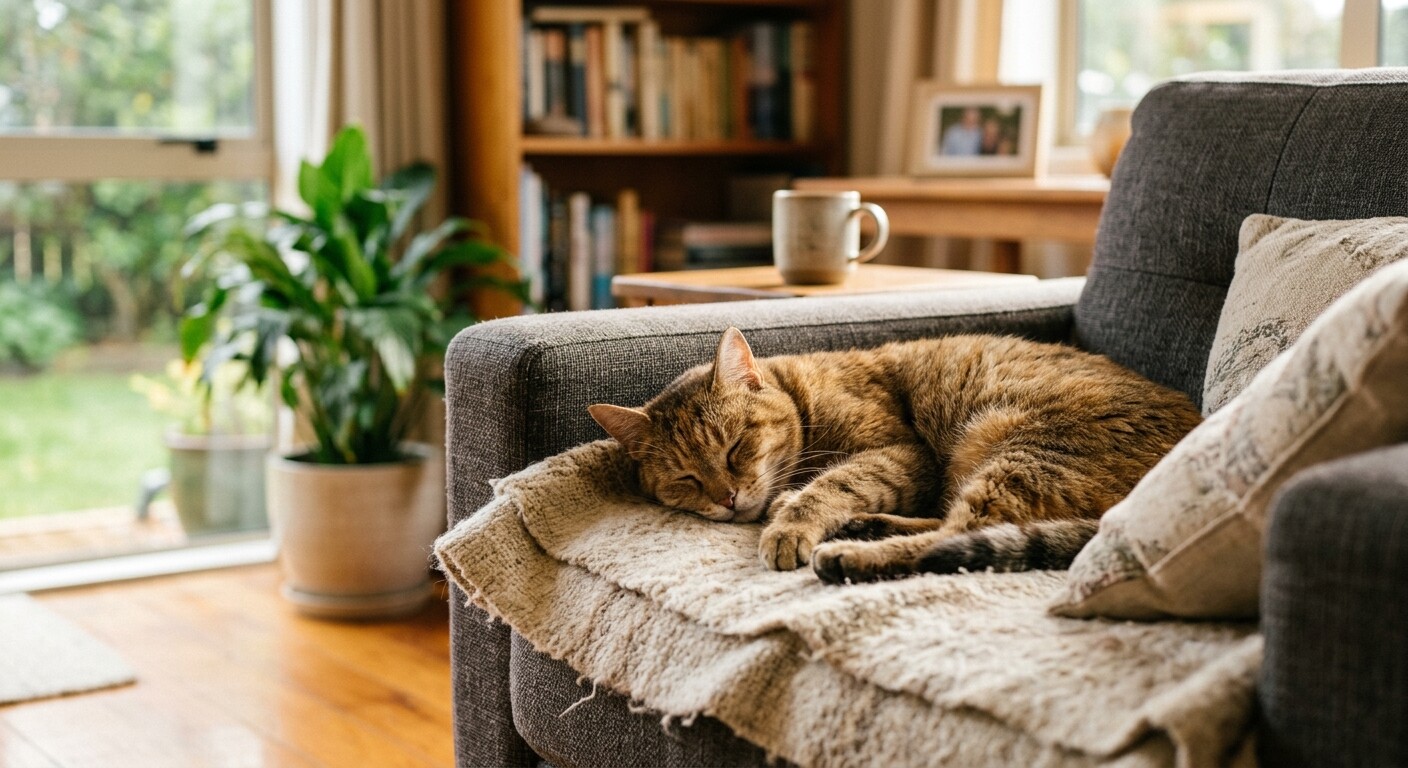
The best senior cat food in New Zealand for ageing and geriatric cats. Find out what to feed your cat after age 7 with honest picks and real NZ pricing.
The short version
Talk to your vet about switching your cat’s food as they age — a quick check-up around age 7 helps catch kidney and thyroid changes early and makes the food decision easier.
Royal Canin Ageing 12+ for cats over 12 — controlled phosphorus, adapted texture, wide availability across NZ pet stores and vet clinics. For the 7–12 bracket, Hill’s Science Diet Adult 7+ Youthful Vitality is the pick. Budget-tight? Purina ONE Senior 7+ is still the supermarket value pick; Purina Pro Plan Senior 7+ is the monetisable wet-food alternative when moisture and appetite support matter. If kidney disease has been diagnosed, that’s a vet conversation — Royal Canin Renal and Hill’s k/d are the usual recommendations.
Senior cat food quick picks
Affiliate coverage check: VetSupply has live listings for Royal Canin Ageing 12+, Hill's Adult 7+ Youthful Vitality and Pro Plan Senior 7+. Product-pack images were not added because PawPick has no verified licensed pack shots for these SKUs; the table keeps the above-fold buying path without inventing imagery.
When is a cat “senior”?
The age brackets matter because the nutritional needs shift at each stage:
- 7–10 years: Mature — mid-40s to mid-50s in human terms. Still active, but this is when you should switch food, not wait for decline. Adult cat food becomes insufficient as metabolism changes.
- 11–14 years: Senior — think 60–72 human years. Metabolism slows, muscle mass drops, dental issues start showing up. Many cats need specialized nutrition at this stage.
- 15+ years: Geriatric — 76+ equivalent. Kidney function, appetite, and muscle all need active support. Pet supplements often become beneficial for joint and cognitive health.
NZ cats — many kept indoors or in indoor-outdoor setups — routinely hit 15–18 years. The senior phase is long. Getting the food right from 7 onwards makes a real difference by the time they reach 15. Unlike dogs, who may need breed-specific nutrition, cats have more standardized ageing patterns across different breeds.
What actually changes in an older cat’s nutrition
A few things that catch people off guard:
Protein needs go up, not down. Older cats lose muscle mass (sarcopenia) and need more dietary protein to offset it — aim for 40%+ on a dry matter basis. This is opposite to senior dog nutrition, where protein needs may reduce. Cutting protein to reduce kidney load is outdated advice for cats without diagnosed kidney disease. High-protein brands like ZIWI Peak work well for maintaining muscle mass.
Fat digestion declines after 12. Senior cats absorb fat less efficiently, which can cause weight loss even when they’re eating normally. Slightly higher fat content helps maintain condition in geriatric cats. Omega-3 supplements can support fat absorption and cognitive function in ageing cats.
Kidney function is the main watch item. Roughly 30–40% of cats over 10 develop chronic kidney disease (CKD). The current veterinary consensus for kidney support is moderate (not low) protein with controlled phosphorus — not a full restriction diet unless your vet diagnoses CKD. Early detection through regular vet checkups is crucial for management.
Hydration gets harder. Cats are already bad at drinking enough water. Older cats are worse. Wet food compensates, and water fountains can encourage drinking. Urinary health becomes increasingly important as hydration declines.
Teeth become a factor. Missing or sore teeth make standard kibble less appealing and harder to chew. Dental care throughout life prevents painful ageing. Smaller kibble, wet food, or dental treats matter more as they age. Regular nail clipping also becomes harder for arthritic cats to manage themselves.
Top picks
🥇 Best for cats 12+: Royal Canin Ageing 12+
- Type: Dry kibble and wet pouches (jelly and gravy)
- Protein: 30% (dry), formulated for kidney support
- Price: ~$2.50–3.50/day
- Available at: PetDirect, Animates, PetStock, vet clinics
- Best for: Cats 12 and older, particularly those with early kidney concerns
Royal Canin Ageing 12+ is specifically built for geriatric cats: controlled phosphorus for kidney support, adapted kibble texture for ageing jaws and teeth, and an enhanced aroma to tempt cats with declining appetite. The wet pouches — especially the gravy variety — are well-suited for seniors who need hydration support or find dry food uncomfortable. For cats transitioning from kitten food or standard adult cat food, this formula provides appropriate nutritional bridging.
This is a maintenance diet, not a prescription renal diet. If your cat has a confirmed CKD diagnosis, your vet will likely point you to Royal Canin Renal instead. For multi-cat households with mixed ages, consider microchip automatic feeders to ensure seniors get their specific nutrition without competition from younger cats.
Check Royal Canin Ageing 12+ at VetSupply →
🥈 Best for cats 7–11: Hill’s Science Diet Adult 7+ Youthful Vitality
- Type: Dry kibble and canned
- Protein: 32%
- Price: ~$2.50–3/day
- Available at: PetDirect, Animates, vet clinics
- Best for: Cats in the mature (7–11) window
Hill’s Youthful Vitality is the right food for the gap between “adult” and “geriatric.” It includes antioxidants (vitamins C and E), omega fatty acids for coat and cognitive health, and L-carnitine for lean muscle maintenance. If your cat is 7–8 and still moving around fine, switching now — before problems appear — is better than waiting. This proactive approach is similar to early parasite prevention — prevention is easier than treatment.
For cats with specific health concerns like urinary issues or weight management needs, this formula provides a good baseline that can be supplemented with specialized nutrition as needed.
Check Hill’s Adult 7+ at VetSupply →
🥉 Best value: Purina ONE Senior 7+
- Type: Dry kibble
- Protein: 34%
- Price: ~$1.50–2/day
- Available at: Countdown, New World, The Warehouse, PetDirect
- Best for: Budget-conscious owners who want a meaningful upgrade from standard adult food
Real chicken is the first ingredient, prebiotics support gut health, and mineral levels are controlled for urinary health. For senior cats with sensitive digestion, supplementing with dedicated pet probiotics can provide additional digestive support beyond prebiotics in food. It’s not as precisely formulated as Royal Canin or Hill’s, but it’s a solid step up from feeding a regular adult diet to a 9-year-old cat. The supermarket availability is the real advantage — no special trip required.
Also worth considering
ZIWI Peak (all life stages) — No senior-specific formula, but the high-protein, high-moisture recipes work well for older cats. The Mackerel & Lamb variety is a good choice for omega-3 support. Pricey, but genuinely good quality. Works well as a topper mixed over a more affordable base kibble. Also excellent for dogs with allergies in multi-pet households.
Feline Natural (all life stages) — NZ-made, high-protein, no senior SKU but suitable. The canned varieties are particularly useful for senior cats who need hydration and soft food. Similar quality approach to K9 Natural for dogs, both focusing on minimally processed nutrition.
Advance Senior 8+ — Australian brand, available at PetStock and Animates. Glucosamine for joint health, controlled phosphorus. Reliable mid-range option. For additional joint support beyond food, pet supplements can provide targeted glucosamine and omega-3 support. Compare with Advance dog food for multi-pet consistency.
IAMS Senior 7+ — In most NZ supermarkets. Real chicken, prebiotics, L-carnitine. Similar tier to Purina ONE with a slightly different nutrient profile. Like IAMS puppy food and adult formulas, focuses on accessible nutrition with science backing.
Purina Pro Plan Senior 7+ — Higher-end supermarket option with omega fatty acids for cognitive health. Good choice for households feeding Pro Plan to puppies or adult dogs who want brand consistency across pets.
Wet food matters more as they age
Older cats need wet food for reasons that stack up:
- Declining kidney function benefits directly from higher moisture intake — crucial for urinary health
- Dental pain makes dry kibble uncomfortable or impossible — dental treats can help but shouldn’t replace wet food
- Reduced appetite responds better to the aroma and palatability of wet food — warming food slightly increases appeal
- Senior cats are worse at regulating hydration — water fountains help but wet food is more reliable
Aim for at least 50% of calories from wet food once your cat hits 10. If they’ll eat 100% wet, that’s fine. Feeding entirely dry to a 13-year-old cat is a risk not worth taking. If you’re not sure which wet food to buy, our best wet cat food NZ guide compares the top options by protein quality, moisture content, and NZ availability. For senior cats who need consistent feeding schedules or multiple small meals, an automatic cat feeder can help maintain routine when appetites become finicky.
Multi-pet households: If you have senior cats alongside kittens or dogs, use separate feeding stations to ensure each pet gets appropriate nutrition. Baby gates can help separate feeding areas effectively.
When to see your vet about diet
Get a vet appointment if your senior cat:
- Loses weight despite eating — possible hyperthyroidism, diabetes, or kidney disease. Document weight changes with pet scales for accurate vet discussions
- Drinks noticeably more water — a classic early sign of kidney disease or diabetes. Increased litter tray visits often show up at the same time — keep an eye on litter usage as a baseline. Automatic water fountains make monitoring water intake easier
- Vomits regularly after eating — may need a different texture, or a GI issue to rule out. Sometimes related to eating too quickly — slow feeding bowls can help
- Stops eating for more than 24 hours — always urgent in cats, especially seniors. Unlike dogs, cats can develop fatty liver disease quickly without food
- Has bad breath — usually dental disease, which makes eating painful and contributes to weight loss. Dental care should be part of regular senior health management
Annual blood panels for cats over 10 are worth the cost. Kidney disease and hyperthyroidism both respond better to management when caught early — before the cat is visibly struggling. Consider pet insurance before your cat hits senior age, as pre-existing conditions are typically excluded once symptoms appear.
Preventive health: Senior cats also need continued parasite protection as their immune systems may weaken. Worming treatments remain important even for indoor cats, and regular grooming helps monitor for skin changes or lumps.
Prescription diets for common senior conditions
If your vet diagnoses something specific, they’ll likely recommend:
- Kidney disease (CKD): Royal Canin Renal or Hill’s k/d — restricted phosphorus, moderate protein, high palatability. Combine with increased wet food and water fountain encouragement. Monitor with appropriate litter that doesn’t mask urination changes
- Hyperthyroidism: Hill’s y/d — iodine restriction can manage mild cases without medication. Often occurs alongside other age-related issues requiring comprehensive senior health management
- Diabetes: High-protein, low-carb — ZIWI Peak and Feline Natural work well here. Consistent feeding schedules with automatic feeders help with insulin timing
- Urinary issues: Royal Canin Urinary S/O or Hill’s c/d — struvite management and recurrence prevention. For ongoing urinary health support, see our guide to cat food for urinary health. Monitor litter changes carefully
- Weight management: Specialized weight control diets combined with portion control and exercise encouragement
- Digestive issues: Limited ingredient diets often help, similar to dog food for allergies principles but cat-specific formulations
Don’t buy these without a diagnosis. Prescription diets are calibrated for specific conditions; they’re not just “premium food.” Your vet will typically want follow-up blood work to monitor response to dietary changes.
The bottom line
Switch at 7, reassess at 12, increase wet food throughout. Royal Canin and Hill’s are the best-formulated senior options available in NZ — not the cheapest, but backed by genuine nutritional research rather than marketing copy.
One thing that’s easy to miss with older cats: they groom less efficiently and scratch less noticeably, which means flea treatment can slip. It matters just as much in old age as in kittenhood. Similarly, nail trimming becomes harder for arthritic cats to self-manage, requiring more frequent human assistance.
Senior cat health ecosystem:
Senior cats benefit from comprehensive care beyond just nutrition. Consider comfortable beds for arthritic joints, easy-access litter trays for mobility issues, and gentle brushing to help with grooming they can no longer manage effectively.
Related feeding guides:
- Best Cat Food in NZ — the main cat food buying guide
- Best Kitten Food in NZ — for the other end of the age spectrum
- Best Indoor Cat Food in NZ — nutrition for less active cats
- Best Cat Food for Urinary Health in NZ — preventing common senior issues
- Best Cat Food for Weight Management in NZ — portion control and specialized diets
Brand reviews:
Essential senior cat care:
- Best Cat Litter in NZ — easier tray monitoring for older cats
- Best Automatic Cat Feeders in NZ — consistent feeding schedules
- Best Cat Water Fountains in NZ — encouraging hydration
- Best Cat Treats in NZ — appetite stimulation and dental care
- Best Cat Bowls in NZ — appropriate feeding setup for seniors
Health management:
- Best Cat Insurance NZ — coverage for ageing cats, including kidney disease and HCM
- Best Pet Insurance in NZ — full provider comparison across cats and dogs
- Best Pet Supplements in NZ — joint and cognitive support
- Best Cat Dental Care in NZ — preventing painful dental disease
- Vet Costs in NZ — budget planning for senior health needs
Preventive care:
- Best Flea Treatment for Cats in NZ — continued parasite protection
- Best Worm Treatment for Cats in NZ — internal parasite management
- Best Cat Nail Clippers in NZ — assisting with grooming
- Best Cat Brushes in NZ — helping with coat maintenance
Comfort and mobility:
- Best Cat Beds in NZ — orthopedic support for arthritic joints
- Best Pet Gates in NZ — managing access in multi-pet homes
- Best Pet Scales in NZ — monitoring weight changes
Compare with dog care:
- Best Senior Dog Food in NZ — different nutritional needs between species
- Best Dog Food in NZ — for multi-pet households
- Best Puppy Food in NZ — when adding young dogs to senior cat households
 PawPick