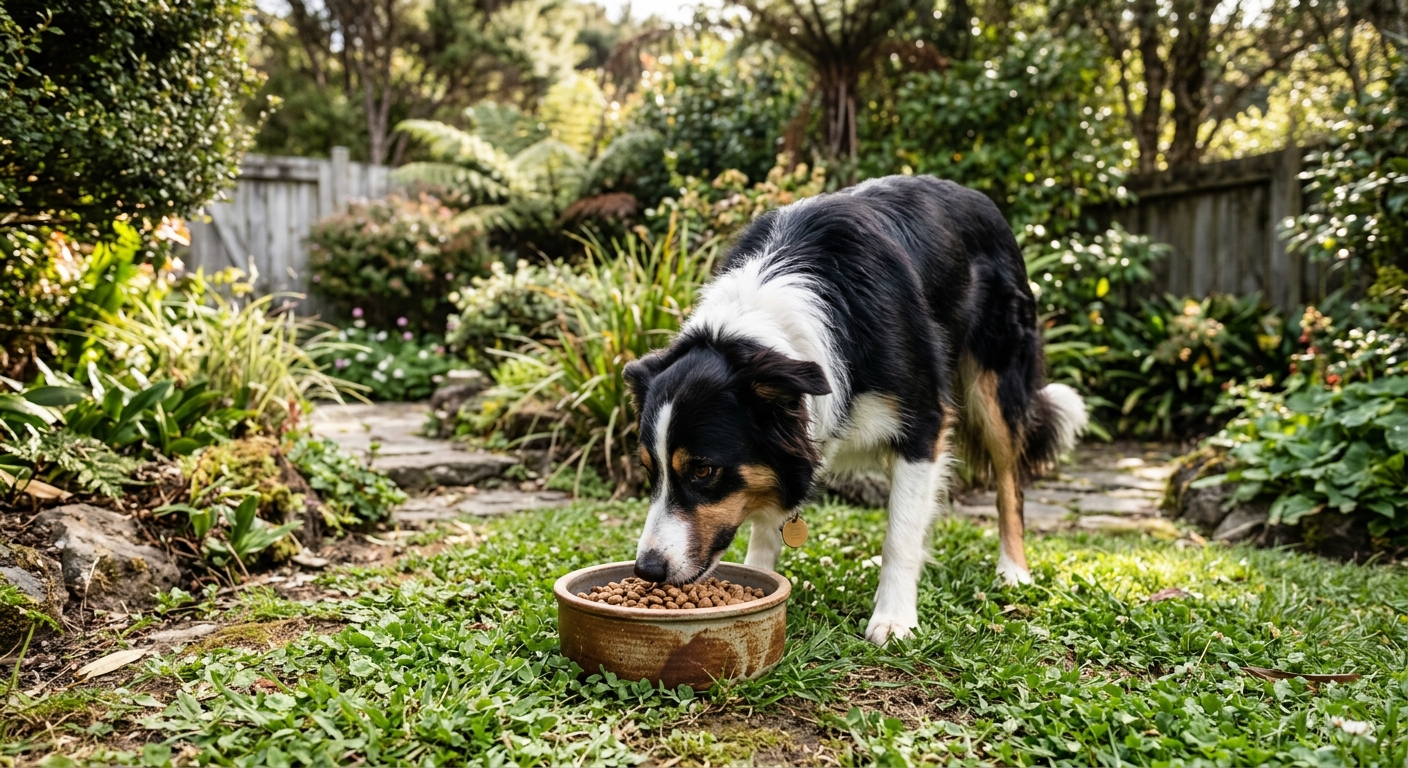
NZ Border Collie food picks for working dogs, active pets, sustained energy, weight control, and sensitive digestion — without generic kibble advice.
The short answer
ZIWI Peak for working Border Collies who need maximum nutrition density and sustained energy. K9 Natural for high-performance dogs at a slightly lower cost. Black Hawk for pet Border Collies who still need quality nutrition but aren’t working full-time. Ivory Coat for Border Collies with grain sensitivities.
Avoid low-protein, high-carb foods — Border Collies burn through cheap energy sources and need sustained fuel for their intense mental and physical activity.
Start here if you have not chosen a brand yet: this breed guide narrows the decision for one type of dog. For the overall brand shortlist, budgets, and retailer comparison, use the main best dog food in NZ guide first.
Price-check the main picks
PawPick uses already-approved merchant links only. If a breed pick overlaps one of these VetSupply ranges, use it as an AU price check, then compare NZ stock, bag size, shipping, and your dog’s needs before buying:
What Border Collies need
Border Collies are NZ’s ultimate working breed, bred for intelligence, stamina, and precision. Their nutritional needs reflect this heritage, whether they’re moving sheep in Southland or competing in agility in Auckland.
High energy requirements dominate their feeding needs. A working Border Collie can burn 3,000-4,000 calories per day during busy periods. Even pet Border Collies are typically more active than other breeds and need nutrition to match.
Sustained energy release matters more than total calories. Border Collies work for hours at a stretch and need nutrition that provides steady energy, not quick peaks and crashes. This means quality protein and fat, not cheap carbohydrate fillers.
Mental stimulation burns energy too. Border Collies’ intense focus and problem-solving abilities require glucose for brain function. Quality nutrition supports both their physical stamina and cognitive sharpness.
Weight management becomes crucial for pet Border Collies. Without enough mental and physical stimulation, they gain weight easily. The wrong food compounds this problem.
My Border Collie food recommendations
Premium: ZIWI Peak Air-Dried
Why it works: Unmatched nutrition density with 85%+ real meat content. The air-drying process preserves nutrients while creating a calorie-dense food perfect for working dogs. Green-lipped mussel supports joint health during intensive activity; see the full ZIWI Peak dog food review if you’re comparing recipes and daily cost.
Border Collie benefits: Maximum protein (38%+) and fat (18%+) for sustained energy. Limited ingredients reduce digestive upset. Single-source protein options help identify allergies.
Daily cost: $8-12 for a 20kg Border Collie (working), $6-8 (pet)
Best for: Working Border Collies, dogs with allergies, owners who prioritize nutrition over price.
Premium Alternative: K9 Natural Freeze-Dried
Why it works: High meat content (90%+) with the convenience of kibble. Freeze-drying retains more nutrients than standard processing. Raw nutrition benefits without raw feeding complexity; the K9 Natural review goes deeper on the freeze-dried format.
Border Collie benefits: Excellent protein levels (35%+) and digestible energy. Less processing means better nutrient absorption. Variety of proteins prevents boredom.
Daily cost: $5-8 for a 20kg Border Collie
Best for: High-performance dogs, dogs with sensitive digestion, busy owners wanting premium nutrition.
Mid-Premium: Black Hawk
Why it works: Quality Australian nutrition at accessible prices. Higher protein than most kibbles (26-28%) with recognizable ingredients. No artificial colors or preservatives. If you’re choosing between Australian premium brands, the Black Hawk vs ACANA comparison is a useful next read.
Border Collie benefits: Good protein content supports muscle development. Brown rice provides sustained energy. Joint support ingredients help active dogs.
Daily cost: $2-3 for a 20kg Border Collie
Best for: Pet Border Collies, families wanting quality without premium prices, dogs transitioning from working to retirement.
Grain-Free Option: Ivory Coat
Why it works: Quality grain-free nutrition with sweet potato and legumes for energy. Higher protein than many grain-inclusive foods (24-27%). Australian-made with recognizable ingredients.
Border Collie benefits: Grain-free for sensitive dogs, still provides sustained energy from quality carbs. Probiotics support digestive health during stress or activity changes.
Daily cost: $2.50-3.50 for a 20kg Border Collie
Best for: Border Collies with grain sensitivities, dogs prone to digestive upset, owners wanting cleaner labels.
Feeding working vs pet Border Collies
The difference in energy requirements between working and pet Border Collies is dramatic. This affects both food choice and feeding amounts.
Working Border Collies (sheep, cattle, competitive sports)
Protein needs: 25-30% minimum. Working muscle requires amino acids for repair and development.
Calorie requirements: 2,500-4,000+ calories daily depending on work intensity and weather conditions.
Feeding schedule: 3-4 smaller meals during working days to maintain energy without causing bloat. Larger breakfast, smaller meals throughout the day, substantial dinner after work.
Key nutrients: Higher fat content (15-18%) for sustained energy. Omega-3 fatty acids for joint health and cognitive function. B-vitamins for stress and recovery.
Best foods: ZIWI Peak, K9 Natural, high-protein versions of Black Hawk or Ivory Coat.
Pet Border Collies (family dogs, weekend hikers)
Protein needs: 22-26% is sufficient for maintenance and normal activity.
Calorie requirements: 1,200-1,800 calories daily, heavily dependent on exercise level.
Feeding schedule: Twice daily meals work well. Monitor weight carefully as pet Border Collies gain weight easily without adequate mental stimulation.
Key nutrients: Balanced protein and fat to prevent weight gain. L-carnitine helps with weight management. Still need quality nutrition to support their active minds.
Best foods: Black Hawk, Ivory Coat, standard protein versions of premium brands.
Special considerations for Border Collies
Exercise timing and feeding
Never feed Border Collies immediately before intensive exercise. Bloat risk increases with deep-chested, active breeds. Feed 2+ hours before work or exercise, or provide a smaller meal 30-60 minutes after finishing.
Stress and digestive sensitivity
Border Collies’ intense focus and sensitivity can affect digestion. Competition dogs, dogs in training, or dogs experiencing routine changes may develop loose stools or reduced appetite. Probiotics and consistent, high-quality nutrition help manage this; if upset becomes routine, compare sensitive-stomach formulas before changing again.
Age transitions
Working Border Collies often retire between 7-10 years. Reduce calories gradually to prevent weight gain, but maintain protein quality to support aging joints and maintain muscle mass.
Seasonal feeding
Working Border Collies in NZ often have seasonal work patterns (lambing, shearing, mustering). Increase nutrition during busy seasons, reduce during quieter periods. Monitor body condition monthly.
Ingredients to prioritize
Named meat proteins: Lamb, beef, venison, fish, chicken (if tolerated). Look for “deboned” or “fresh” meat as the first ingredient.
Sustained energy carbs: Sweet potato, brown rice, oats. Avoid wheat, corn, and cheap grain fillers that provide quick energy spikes.
Joint support: Glucosamine, chondroitin, green-lipped mussel. Essential for dogs doing intensive physical work.
Brain support: Omega-3 fatty acids (fish oil, flaxseed), antioxidants, B-vitamins. Border Collies’ cognitive work requires nutritional support.
Digestive support: Probiotics, prebiotics, fiber sources like pumpkin or beet pulp.
What to avoid
Cheap grain fillers: Wheat, corn, rice bran in the first few ingredients. Border Collies need sustained energy, not quick carb crashes.
Artificial preservatives: BHA, BHT, ethoxyquin. Border Collies’ sensitive digestive systems respond better to natural preservation.
Excessive treats: Working dogs earn treats, but too many disrupts balanced nutrition. Keep treats under 10% of daily calories.
Sudden diet changes: Border Collies have sensitive stomachs. Transition foods gradually over 7-10 days.
Low-protein foods: Border Collies need substantial protein for muscle maintenance and energy. Avoid foods under 20% protein.
Common Border Collie feeding challenges
The obsessive eater
Some Border Collies become fixated on food and eat too quickly. Use dog puzzle feeders, slow-feeding bowls, or interactive dog toys to prevent bloat and improve digestion while providing mental stimulation. Split daily food into 3-4 smaller portions.
The picky eater
Intelligent Border Collies sometimes become food bores or hold out for better options. Stick to scheduled feeding times, remove uneaten food after 20 minutes, and resist the temptation to add toppers constantly.
Weight gain in retirement
Border Collies transitioning from working to pet life often gain weight rapidly. Reduce calories by 20-30% gradually, maintain protein quality, and increase mental stimulation to replace physical work.
Digestive upset during stress
Competition, training, or routine changes can upset Border Collie digestion. Maintain consistent feeding times and consider pet probiotics during stressful periods. Bland diets (boiled chicken and rice) help during acute episodes.
Border Collie life stage feeding
Puppies (8 weeks - 12 months)
Feed large breed puppy food to control growth rate. Border Collies grow quickly and need balanced calcium/phosphorus ratios to prevent skeletal problems.
Feed 4 times daily until 16 weeks, then 3 times until 6 months, then twice daily.
Start training early: Border Collies learn food manners faster as puppies than adults.
Young adults (1-2 years)
Transition gradually to adult food around 12 months. Energy requirements peak during this period, especially for dogs starting work training.
Prime adults (2-7 years)
Maintain consistent nutrition based on activity level. Monitor weight quarterly and adjust portions as needed. Working dogs may need seasonal adjustments.
Senior Border Collies (7+ years)
Many Border Collies remain active well into their teens. Reduce calories if activity decreases, but maintain protein quality. Consider joint supplements and more frequent vet checks. Working dogs face higher injury risks, making pet insurance particularly valuable for Border Collies.
NZ-specific considerations
Climate and activity
NZ’s varied climate affects Border Collie energy needs. Dogs working in hill country during summer need more calories and electrolytes than those in temperate coastal areas.
Local proteins
NZ-raised lamb and venison are excellent protein sources for Border Collies. Many NZ-made foods feature these proteins and suit Border Collies’ high energy needs.
Seasonal work patterns
Many NZ Border Collies have seasonal work (lambing in spring, shearing in summer). Plan nutrition changes around these patterns rather than making sudden adjustments.
Access to quality food
Rural Border Collies may have limited access to premium foods. Bulk buying and online ordering from stores like PetDirect or Raw Essentials can ensure consistent nutrition.
Quick feeding guide
Working Border Collie (intensive daily work)
- Food: ZIWI Peak or K9 Natural
- Amount: 4-6 cups daily (adjust by condition)
- Schedule: 3-4 meals, avoid feeding 2 hours before work
- Extras: Electrolytes during hot weather, joint supplements
Active pet Border Collie (daily exercise, weekend adventures)
- Food: Black Hawk or Ivory Coat
- Amount: 2.5-4 cups daily
- Schedule: Twice daily
- Extras: Mental stimulation puzzles, consistent exercise routine. If your Border Collie joins you on camping trips or multi-day hikes, see our dog camping gear guide for NZ for what to pack
Senior or less active Border Collie
- Food: Maintain protein quality, reduce portions
- Amount: 2-3 cups daily
- Schedule: Twice daily
- Extras: Joint supplements, weight monitoring
Choosing the Best Dog Food for Your Border Collie in NZ
Border Collies demand nutrition that matches their intelligence and energy. Whether working sheep in Canterbury or competing in agility in Wellington, they need sustained energy from quality protein and fat.
Working Border Collies justify premium foods like ZIWI Peak through their energy demands. Pet Border Collies thrive on quality mid-premium foods like Black Hawk, provided they receive adequate mental and physical stimulation.
The key is matching nutrition to activity level and monitoring body condition regularly. Border Collies will work themselves into the ground — it’s your job to fuel them properly.
Best dog food by breed
Start with the main best dog food in NZ guide for the all-breed shortlist, then use these breed guides to adjust for size, weight, coat, digestion, and joint risk:
- Labrador Retriever — weight control, joint support, and measured meals.
- Golden Retriever — joint support, coat health, and sensible calories.
- Staffordshire Bull Terrier — muscle maintenance, skin support, and realistic budgets.
- French Bulldog — digestion, allergy triggers, and flat-face feeding.
- Border Collie — you’re here; this guide covers high-energy working-dog nutrition.
- German Shepherd — hip, joint, and digestive support.
- Poodle — coat, digestion, and size-specific feeding.
- Cavalier King Charles Spaniel — heart-aware feeding and weight management.
- Pug — weight control, skin folds, and flat-face kibble.
- Husky — high-protein fuel for active, lean dogs.
Related articles
 PawPick