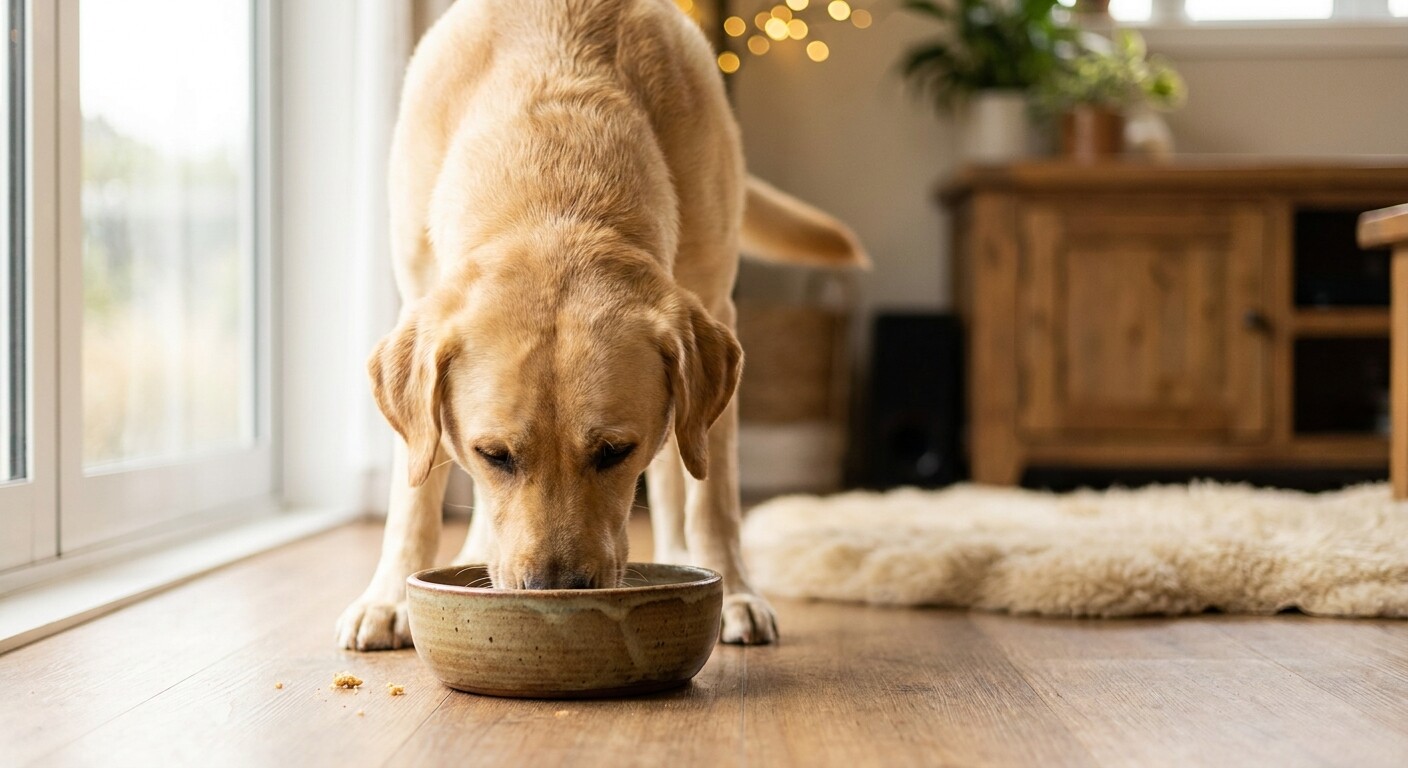
Labradors are NZ's most popular breed — and one of the hardest to feed right. We compare the best dog foods for Labs available in New Zealand, from joint support to weight management.
The short version
Black Hawk Adult Large Breed is the best all-round kibble for adult Labradors in NZ — formulated for large breeds, with glucosamine and chondroitin for joints, at a price that works out to $3–4/day. For Labs already carrying extra weight, Hill’s Science Diet Perfect Weight Large Breed is the purpose-built fix. No budget ceiling? ZIWI Peak Lamb is the best-quality option made in New Zealand, and the green-lipped mussel content is genuinely useful for Lab joints.
For puppies, Royal Canin Labrador Puppy is the breed-specific pick designed for their growth rate. Black Hawk Puppy Large Breed is nearly as good for 15–20% less.
Start here if you have not chosen a brand yet: this breed guide narrows the decision for one type of dog. For the overall brand shortlist, budgets, and retailer comparison, use the main best dog food in NZ guide first.
Price-check the main picks
PawPick uses already-approved merchant links only. If a breed pick overlaps one of these VetSupply ranges, use it as an AU price check, then compare NZ stock, bag size, shipping, and your dog’s needs before buying:
Why Labradors need specific feeding advice
Labs aren’t just big dogs — they’re big dogs with a specific set of nutritional challenges stacked against them.
- They will eat whatever is in front of them. Many Labradors have a mutation in the POMC gene that means they genuinely never feel full. It’s not a training problem. It’s biology. This makes automatic pet feeders especially valuable for portion control.
- Obesity is their number one health risk. Studies consistently find more than half of adult Labs are overweight or obese. Carrying extra weight accelerates joint damage and can cut years off their life. Consider pet insurance early to cover weight-related health issues.
- Joint problems are widespread in the breed. Hip dysplasia, elbow dysplasia, and cruciate tears are all common. A food with joint support built in isn’t optional for this breed. Pet probiotics can also support overall health and reduce inflammation.
- They grow fast as puppies. Puppies that grow too quickly have higher risk of developmental bone and joint problems. Controlled growth through large breed puppy formulas matters.
The feeding challenge: fuel a big, active dog without letting their bottomless appetite turn into a weight problem. Many Lab owners find success with slow-feeder bowls and dog puzzle feeders to redirect food obsession into something productive — Labs are food-motivated enough that turning mealtime into a brain game genuinely works.
What to look for in Lab food
Protein
Quality animal protein as the first ingredient — aim for 25–30% for adults, 24–28% for puppies (large breed puppy formulas deliberately moderate this to slow growth). Chicken, lamb, beef, and fish all work.
Fat
This depends heavily on your actual Lab. A working dog burning calories daily can handle 15–18% fat. A suburban Lab whose exercise is a daily 20-minute walk needs closer to 10–12%. If yours is already overweight, go low.
Joint support
Glucosamine and chondroitin should be in the formula — treat it as a requirement, not a bonus. Omega-3 fatty acids (EPA and DHA from fish oil) also reduce joint inflammation. New Zealand green-lipped mussel is another solid natural source of glucosamine and omega-3s, and several NZ-available foods include it. For comprehensive joint care, consider adding pet supplements specifically designed for large breeds. Regular exercise on quality dog beds that support joint health during rest periods is equally important.
Kibble size and shape
Labs bolt food rather than chew it. Larger kibble slows them down marginally. Royal Canin’s Labrador-specific formula uses a shape designed to be harder to gulp — genuinely useful, though a slow-feeder bowl solves the same problem at any brand.
Fibre
Moderate fibre (3–5%) helps Labs feel fuller on fewer calories and keeps digestion on track — important for a breed that treats the footpath as an additional food source.
Our top picks
🥇 Best overall: Black Hawk Adult Large Breed (Lamb & Rice or Chicken & Rice)
Black Hawk’s large breed formula ticks every Lab-specific box: glucosamine and chondroitin for joints, controlled fat levels (14%) to manage weight without starving them, and quality animal protein first. The kibble size is large enough to slow down fast eaters.
Widely available at Animates, PetStock, and PetDirect. A 20kg bag runs $130–140, which comes to about $3–4/day for a 30kg Lab. For a full brand breakdown, see our Black Hawk dog food review.
Why it wins: The best balance of breed-appropriate nutrition, joint support, and price for NZ Lab owners. It’s also stocked by most NZ vet clinics, which says something.
Check price at Pet Direct →
🥈 Best for weight management: Hill’s Science Diet Perfect Weight Large Breed
If your Lab is already carrying extra kilos, this is the pick. Hill’s formulates it to support weight loss over roughly 10 weeks — high fibre, L-carnitine for fat metabolism, and lower calorie density so your Lab can eat a decent portion without the surplus. Around $140–150 for a 12.9kg bag at PetDirect or your vet clinic.
More expensive per kilogram than Black Hawk, but the cost-benefit argument is easy to make when the alternative is managing a joint-damaged, overweight Lab.
Check price at Pet Direct →
Why it’s here: Weight management isn’t cosmetic for Labs. It’s the single most impactful lever you have on their joint health and lifespan.
🥉 Best premium: ZIWI Peak Lamb
The best-quality dog food made in New Zealand, and it shows. Single-source NZ lamb, no fillers, no grains, and the recipe includes New Zealand green-lipped mussel for joint support — a natural source of glucosamine and omega-3s in meaningful quantities. Nutrient density is high enough that you feed a fraction of what you’d use with kibble.
The trade-off is cost. A 2.5kg bag runs $90–100, and a 30kg Lab gets through it in about a week — that’s $50–60/week, or $200+ a month. Plenty of owners use ZIWI as a topper or mix it with a quality kibble to get the benefit at a more manageable price.
Full breakdown in our ZIWI Peak review.
Best for Lab puppies: Royal Canin Labrador Puppy
The breed-specific formula for Labrador puppies up to 15 months. The kibble shape is engineered to be harder for a Lab to bolt. Energy density and calcium levels are calibrated for steady growth without the risks of going too fast. Available at vets and PetDirect — a 12kg bag is around $130–140. For other popular large breeds, see our guides for Border Collie nutrition and German Shepherd feeding which share similar growth requirements.
Alternative: Black Hawk Puppy Large Breed is close in quality for 15–20% less, without the breed-specific kibble shape. Early dental health becomes important as adult teeth emerge.
Best budget: Purina Pro Plan Adult Large Breed
Pro Plan doesn’t get the premium branding, but the large breed formula is solid: real chicken first, glucosamine for joints, EPA and natural omega-3s. Around $90–100 for 14kg from PetDirect or Animates. Best nutrition-per-dollar for Lab owners watching the budget.
Feeding guide by life stage
Puppies (8 weeks – 15 months)
- Use a large breed puppy formula — not regular puppy food. The calcium and energy levels are different for a reason. See our best puppy food in NZ guide for a full comparison.
- 3 meals/day until 6 months, then 2 meals/day.
- Follow the bag’s feeding guide by target adult weight, not current weight.
- Don’t free-feed a Lab puppy. They will eat until something stops them, and nothing will stop them.
- A slow-feeder bowl from day one is a good call.
Adults (15 months – 7 years)
- 2 measured meals/day. Don’t eyeball portions with a Lab. Similar feeding discipline applies to other food-motivated breeds like Cavalier King Charles Spaniels and French Bulldogs.
- An active 30kg Lab needs roughly 1,400–1,600 calories/day. A less active one: closer to 1,200. Working Labs may need higher protein levels similar to recommendations for active Border Collies.
- Weigh monthly. If weight creeps up, cut portions by 10% before switching to a weight-management formula. Consider grain-free options if weight management becomes challenging.
- Count treats. A dental chew and training treats can add 200+ calories to the day without anyone noticing. Quality dental chews that support oral health are worth the calorie investment.
Seniors (7+ years)
- Switch to a senior or joint-support formula around age 7. Senior dog nutrition becomes critical for maintaining quality of life.
- Activity drops but appetite doesn’t. Calorie needs go down — portions should follow. Orthopedic dog beds support aging joints during extended rest periods.
- Joint supplements (green-lipped mussel, fish oil) become increasingly important. Pet probiotics can support digestive health as metabolism slows. Talk to your vet about what’s worth adding.
- Regular vet check-ups matter more than any food change at this stage. Pet insurance becomes increasingly valuable as age-related health issues emerge — our guide to pet insurance for senior dogs in NZ covers what’s still insurable at this stage and which providers remain competitive for older Labs.
Common feeding mistakes with Labs
- Free-feeding. Leaving kibble out all day is the fastest way to an overweight Lab. Timed meals, measured portions. Automatic feeders can help establish consistent meal timing.
- Not counting treat calories. That cheese after every walk adds up fast. Quality dental chews serve dual purpose as treats while supporting oral health.
- Using regular puppy food instead of large breed puppy food. The calcium and energy levels in standard puppy food can cause skeletal problems in fast-growing breeds. This applies to Golden Retrievers and German Shepherds too.
- Switching foods constantly. Labs have robust guts, but unnecessary changes still cause digestive disruption. If you need to switch, do it over 7–10 days. Dogs with sensitive stomachs need even more gradual transitions.
- Assuming a fat Lab is a healthy Lab. You should be able to feel your Lab’s ribs without pressing hard. If you can’t, they’re carrying too much. Regular monitoring with quality pet GPS trackers can help track exercise levels and weight management progress.
Raw feeding for Labs
Raw feeding is increasingly popular in NZ, and Labs generally take to it well. Our comprehensive raw delivery service guide compares all major NZ options including Raw Essentials, Go Raw, and K9 Natural. One thing worth noting: Labs fed raw meat have higher tapeworm exposure, so staying on top of worming treatment is more important, not less. Regular flea treatment also becomes more critical for dogs spending time outdoors accessing raw food sources.
For a 30kg Lab, raw feeding typically costs $8–15/day depending on brand and protein. More expensive than kibble, but advocates point to cleaner teeth, better coat condition, and smaller — less frequent — stools as the return on that investment.
If you go raw, the basics to cover:
- Bone content for calcium (or a calcium supplement)
- Organ meat (liver, kidney) for vitamins
- A reliable omega-3 source
- Protein variety over time
Our K9 Natural review and ZIWI vs K9 Natural comparison cover the freeze-dried raw options in detail.
The bottom line
Labradors are wonderful, food-obsessed, joint-challenged dogs that need more feeding discipline than most breeds. For the majority of NZ Lab owners, Black Hawk Adult Large Breed is the smart default — well-formulated, locally available, and priced to sustain long-term. Add a slow-feeder bowl, measure your portions, and you’ve done the bulk of the work. Quality dog beds and appropriate crate training support healthy eating routines.
Weight already a concern? Go straight to Hill’s Science Diet Perfect Weight. Want the best ingredients NZ produces? ZIWI Peak with green-lipped mussel is the top of the market. For comprehensive health support, consider pet supplements and maintain regular flea and worm treatment schedules.
For a full comparison of all dog food brands available in NZ, see our Best Dog Food in NZ guide. Labs with skin or gut issues are worth reading about in our allergy-friendly dog food guide. Golden Retriever owner who ended up here? Our Golden Retriever feeding guide covers the closely related set of joint and coat concerns. For active Labs, GPS tracking helps monitor exercise levels essential for weight management. Complete your Lab’s health routine with quality nail clippers for proper grooming maintenance.
Best dog food by breed
Start with the main best dog food in NZ guide for the all-breed shortlist, then use these breed guides to adjust for size, weight, coat, digestion, and joint risk:
- Labrador Retriever — you’re here; this guide covers weight control, joint support, and measured meals.
- Golden Retriever — joint support, coat health, and sensible calories.
- Staffordshire Bull Terrier — muscle maintenance, skin support, and realistic budgets.
- French Bulldog — digestion, allergy triggers, and flat-face feeding.
- Border Collie — high-energy working-dog nutrition.
- German Shepherd — hip, joint, and digestive support.
- Poodle — coat, digestion, and size-specific feeding.
- Cavalier King Charles Spaniel — heart-aware feeding and weight management.
- Pug — weight control, skin folds, and flat-face kibble.
- Husky — high-protein fuel for active, lean dogs.
 PawPick