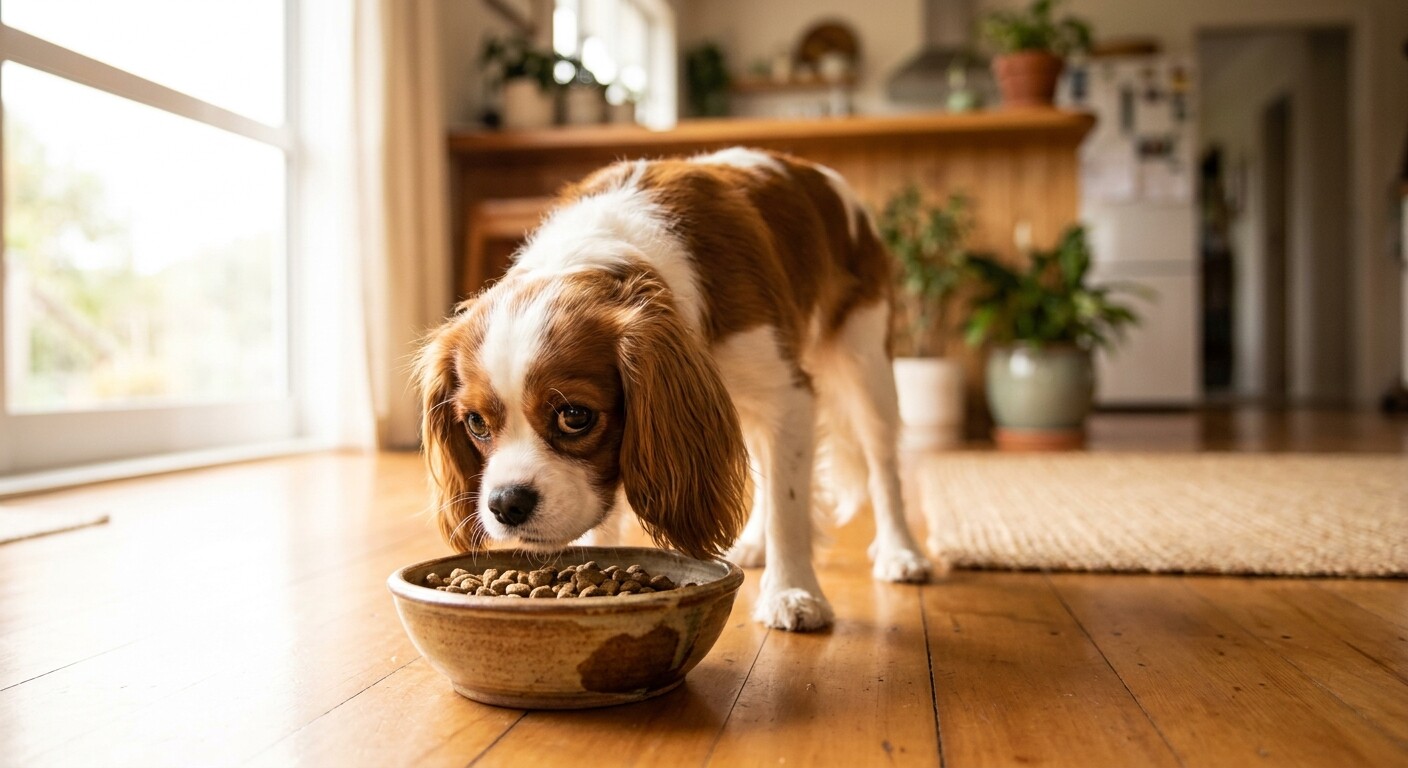
NZ Cavalier food picks for heart-aware nutrition, weight control, small-breed kibble, and vet-led cardiac care — with realistic daily costs.
The short version
Cavaliers have specific cardiac needs — talk to your vet about the right food and supplement choices for your dog’s age and stage, especially once a murmur has been detected.
Hill’s Science Diet Adult Small Breed is the pick for most Cavalier King Charles Spaniels in NZ — includes taurine for heart support, sized for small mouths, roughly $1.50–2.20/day for a 6 kg dog. If budget is tight, Advance Adult Small Breed provides similar nutritional benefits at a lower cost. For Cavaliers already showing heart symptoms, Royal Canin Cardiac is a therapeutic option designed specifically for dogs with heart conditions.
For puppies: Hill’s Science Diet Puppy Small Bites. The nutrition during growth sets the foundation for lifelong heart health. Consider pet insurance early to cover inevitable cardiac care costs.
Start here if you have not chosen a brand yet: this breed guide narrows the decision for one type of dog. For the overall brand shortlist, budgets, and retailer comparison, use the main best dog food in NZ guide first.
Price-check the main picks
PawPick uses already-approved merchant links only. If a breed pick overlaps one of these VetSupply ranges, use it as an AU price check, then compare NZ stock, bag size, shipping, and your dog’s needs before buying:
Why Cavaliers need more careful feeding than most small breeds
Cavalier King Charles Spaniels look like lap dogs but carry the cardiac workload of a much larger breed. That mismatch creates specific nutritional needs.
- Heart disease is virtually inevitable. By age 10, nearly 100% of Cavaliers will have mitral valve disease (MVDD) — the heart valve deteriorates and doesn’t close properly. It’s genetic, not preventable, but good nutrition can slow progression.
- Weight management is critical for heart health. Every extra gram matters when the heart is already struggling. Overweight Cavaliers progress faster from early murmur to heart failure. For more on weight management, see my dog food for weight loss guide.
- Taurine deficiency can trigger DCM. While Cavaliers primarily develop MVDD, taurine deficiency can cause a separate heart condition (dilated cardiomyopathy). Ensuring adequate taurine is cheap insurance.
- Small mouths, big appetites. Cavaliers will eat until they’re uncomfortable. Standard kibble is often too large, leading to gulping and potential bloat despite their size.
- Exercise intolerance develops gradually. You might not notice reduced exercise capacity until the heart disease is advanced. Weight management and heart-supportive nutrition are your main controllable factors.
What to look for
Heart health support
This should drive your food choice more than anything else:
- Taurine — essential amino acid for heart muscle function. Some foods list it explicitly; others provide it through high-quality animal protein
- L-carnitine — helps the heart muscle use energy efficiently
- Omega-3 fatty acids (EPA and DHA) — anti-inflammatory, support heart function. For additional omega-3 support, see my omega-3 for dogs guide
- Controlled sodium — high sodium puts extra load on a failing heart
- Antioxidants — vitamins C and E support cardiovascular health
Protein quality
High-quality animal protein provides natural taurine. Look for named proteins (chicken, lamb, fish) as the first ingredient. Avoid foods heavy in plant proteins — they don’t provide the amino acid profile Cavaliers need for heart health.
Appropriate energy density
Small dogs have high metabolic rates but Cavaliers are prone to weight gain. Look for foods with moderate fat (12–16%) that provide sustained energy without excess calories.
Kibble size
Standard kibble is often too large for Cavalier mouths. Small-breed formulations have appropriately sized pieces that encourage proper chewing rather than gulping.
What to avoid
- Grain-free formulas — DCM risk on top of their existing MVDD predisposition
- High sodium foods — check treats and training rewards too
- Foods without named animal protein — plant-based proteins don’t provide adequate taurine
- High-fat formulas — weight gain happens fast on small dogs
The picks
Best for heart health: Hill’s Science Diet Adult Small Breed
Specifically formulated with taurine and L-carnitine for heart support, plus omega-3s from fish oil. The kibble size is right for Cavalier mouths, and it’s widely available across NZ. Hill’s has decades of cardiovascular research behind their formulations — for a breed with guaranteed heart issues, that expertise matters. For a detailed comparison of Hill’s nutritional approach versus Royal Canin, see my Hill’s Science Diet vs Royal Canin guide.
- Protein: ~24% | Fat: ~15%
- Daily cost: ~$1.50–2.20 for a 6 kg dog (7.5 kg bag)
- Where to buy: Animates, PetStock, vet clinics, Pet.co.nz
Check price at Pet Direct →
Best budget option: Advance Adult Small Breed
Australian-made, includes natural taurine from chicken and fish meal, plus added vitamins for heart support. Not as thorough as Hill’s therapeutic approach, but covers the fundamentals at a more accessible price. The kibble size is appropriate and the nutrition is balanced for small breed metabolism.
- Protein: ~26% | Fat: ~16%
- Daily cost: ~$1.00–1.50 for a 6 kg dog
- Where to buy: Animates, PetStock, independent pet stores
Check price at Pet Direct →
Best therapeutic option: Royal Canin Cardiac
This is for Cavaliers already diagnosed with heart disease. Reduced sodium, increased taurine and L-carnitine, added potassium for heart rhythm support. It’s not preventive nutrition — it’s management nutrition for dogs with established cardiac issues. Your vet needs to recommend it.
- Protein: ~26% | Fat: ~12%
- Daily cost: ~$2.50–3.50 for a 6 kg dog
- Where to buy: Vet clinics only
Best premium: ZIWI Peak Beef
Made in NZ, single protein source, naturally high in taurine from quality beef. The air-dried process preserves nutrients better than standard kibble manufacturing. It’s expensive for daily feeding but works well as a high-value topper to add cardiac nutrition to a standard diet.
- Protein: ~38% | Fat: ~26%
- Daily cost: ~$6–9 for full feeding (more realistic as a topper)
- Where to buy: Animates, PetStock, specialty stores
Best for allergies: Hill’s Prescription Diet z/d
For Cavaliers with confirmed food allergies (common in this breed). Hydrolyzed protein means the immune system can’t recognize and react to it. Not for healthy dogs — this is therapeutic nutrition requiring veterinary supervision. For allergy management, see my dog food for allergies guide.
- Where to buy: Vet prescription only
Best for puppies: Hill’s Science Diet Puppy Small Bites
Early heart health support matters for Cavaliers. This includes DHA for brain development and the foundation nutrients for cardiovascular health. Keep puppies on this until at least 12 months — small breeds mature faster but heart development continues.
- Protein: ~28% | Fat: ~16%
- Daily cost: ~$1.20–1.80 for a growing puppy
- Where to buy: Animates, PetStock, vet clinics
How much to feed
Cavalier King Charles Spaniels typically weigh 5.4–8 kg as adults. Here’s a realistic feeding guide for standard dry food:
| Weight | Activity level | Daily amount | Approx. daily cost |
|---|
| 5.4 kg | Low | 75–95g | $1.20–1.60 |
| 6 kg | Moderate | 85–110g | $1.40–1.80 |
| 7 kg | Active | 100–125g | $1.60–2.00 |
| 8 kg+ | Very active | 115–140g | $1.80–2.20 |
Split across two meals. Use a measuring cup — eyeballing portions on small dogs leads to overfeeding fast.
Body condition is critical
Extra weight on a Cavalier isn’t just cosmetic — it directly impacts heart function and lifespan:
- Ribs: Should be easily felt with light pressure but not visible
- Waist: Clear narrowing behind the ribs when viewed from above
- Profile: Slight upward curve behind the ribcage from the side
If your Cavalier feels “solid” rather than having a waist, reduce portions immediately. Heart disease progression accelerates with excess weight.
Heart health beyond food
Diet is foundational, but Cavaliers need a broader approach to cardiovascular health:
- Regular vet checks from age 2 — MVDD often starts with a subtle murmur years before symptoms appear. Early detection allows for monitoring and potential intervention.
- Gentle, consistent exercise — avoid intense exertion but maintain fitness. Swimming is excellent low-impact exercise if your Cavalier enjoys water.
- Weight monitoring — weigh weekly and adjust feeding immediately if weight creeps up
- Dental care — poor dental health is linked to heart disease progression. Bacteria from infected gums can seed heart valve infections. Regular dental chews help maintain oral health between vet cleanings.
- Stress management — Cavaliers are sensitive dogs. Chronic stress impacts heart health.
Your vet may recommend cardiac supplements (CoQ10, omega-3s) or medications (ACE inhibitors) as the disease progresses. Don’t delay these conversations — early intervention makes a significant difference in quality of life.
Understanding MVDD progression
Mitral valve disease in Cavaliers follows a predictable pattern. Understanding the stages helps with nutrition and care decisions:
Stage A (2–4 years): No murmur yet, but genetic predisposition. This is when heart-healthy nutrition matters most.
Stage B1 (4–6 years): Early murmur, no symptoms. Continue heart-supportive diet, maintain ideal weight.
Stage B2 (6–8 years): Murmur with heart enlargement on X-ray, still no symptoms. Diet becomes more important — consider therapeutic foods.
Stage C (8+ years): Heart failure symptoms (coughing, exercise intolerance). Prescription cardiac diet essential, medication usually required.
Stage D: End-stage heart failure. Palliative care.
The timeline varies — some Cavaliers live happily to 12+ with Stage B disease. Weight management and heart-supportive nutrition can significantly slow progression from Stage B to Stage C.
Common feeding mistakes
1. Using standard small-breed food without checking heart support ingredients.
Not all small-breed foods include taurine or cardiac nutrients. For Cavaliers, this isn’t optional.
2. Overfeeding because “they’re just small portions.”
25% overweight on a 6 kg dog is only 1.5 kg, but it’s proportionally huge and directly impacts heart function.
3. Going grain-free for perceived health benefits.
Grain-free diets carry DCM risk. Cavaliers already have significant heart disease risk — don’t add another cardiac threat.
4. Skipping regular vet checks because the dog seems fine.
Cavaliers compensate well for heart disease until it’s advanced. Annual cardiac exams from age 2 can catch problems while they’re manageable.
5. Using standard-sized kibble.
Large kibble encourages gulping, which can contribute to bloat even in small dogs. Proper chewing is better for digestion and safety.
What about treats and supplements?
Treats should be heart-healthy and low-sodium. Good options:
- Small pieces of cooked chicken breast — natural taurine source
- Blueberries — antioxidants for cardiovascular support
- Small training treats — look for low-sodium options sized for small mouths
Avoid:
- Jerky treats (often high sodium)
- Rawhide (choking risk, poor nutrition)
- Human food high in salt or fat
Supplements worth discussing with your vet:
- Omega-3 fish oil — specifically EPA and DHA for heart health
- CoQ10 — supports cellular energy production in heart muscle
- Taurine — if the food doesn’t provide adequate amounts
Never start cardiac supplements without veterinary guidance — dosing matters, and some can interact with heart medications.
What about raw feeding?
Raw diets can work for Cavaliers if properly balanced, but there are specific considerations:
- Taurine content — ensure adequate amounts from heart, muscle meat, and organ inclusion
- Sodium control — easier to manage with commercial diets
- Bacterial risk — Cavaliers with heart disease may have compromised immune systems
- Nutritional balance — critical for a breed with specific cardiac needs
If you’re considering raw, work with a veterinary nutritionist to ensure cardiac needs are met. Commercial raw diets formulated for small breeds are safer than DIY for this population.
NZ raw options include Raw Essentials, K9 Natural, and several boutique producers. Budget roughly $3–5/day for quality commercial raw. For more on raw feeding, see my raw dog food delivery guide.
Best dog food by breed
Start with the main best dog food in NZ guide for the all-breed shortlist, then use these breed guides to adjust for size, weight, coat, digestion, and joint risk:
- Labrador Retriever — weight control, joint support, and measured meals.
- Golden Retriever — joint support, coat health, and sensible calories.
- Staffordshire Bull Terrier — muscle maintenance, skin support, and realistic budgets.
- French Bulldog — digestion, allergy triggers, and flat-face feeding.
- Border Collie — high-energy working-dog nutrition.
- German Shepherd — hip, joint, and digestive support.
- Poodle — coat, digestion, and size-specific feeding.
- Cavalier King Charles Spaniel — you’re here; this guide covers heart-aware feeding and weight management.
- Pug — weight control, skin folds, and flat-face kibble.
- Husky — high-protein fuel for active, lean dogs.
 PawPick