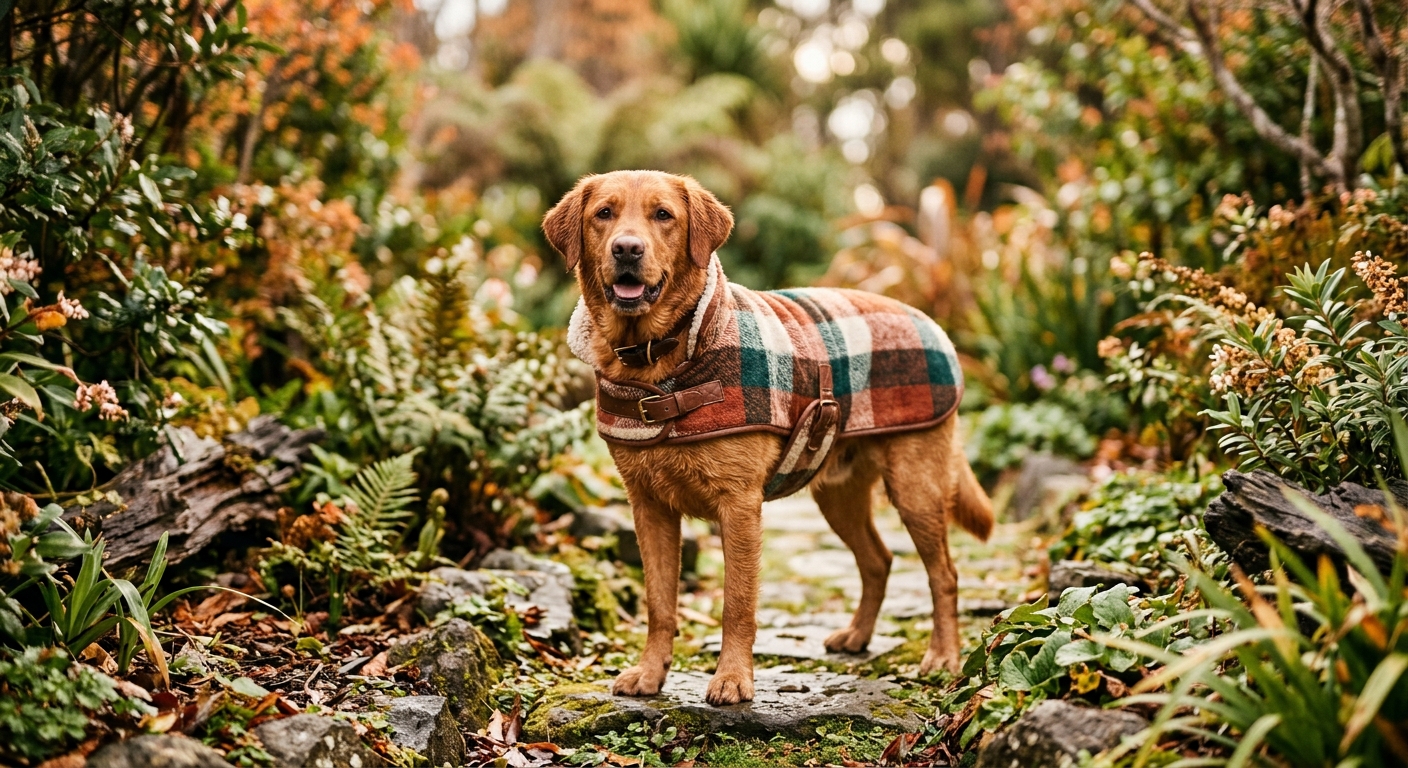
The best dog winter coats you can actually buy in New Zealand — waterproof, insulated options from EzyDog, Hurtta, and local brands. Sizing help, breed recs, and where to get them.
New Zealand’s winter can be brutal for dogs. From Wellington’s icy southerly winds (Māui and I know these well) to Queenstown’s alpine chill, many breeds need extra protection to stay comfortable outdoors. I’ve compared the best dog winter coats available in NZ, with practical advice on sizing, features, and finding the right fit for your dog.
Quick Picks: Best Dog Winter Coats NZ
- Best Overall: EzyDog Element Jacket - NZ-designed, fully waterproof
- Best Budget: Petstock Essential Winter Coat - basic protection under $30
- Best Premium: Hurtta Extreme Warmer - Finnish engineering for harsh conditions
- Best for Active Dogs: Ruffwear Cloud Chaser - soft shell with mobility
- Best for Small Dogs: Canada Pooch Northern Puffer - lightweight warmth
Do Dogs Really Need Winter Coats?
Short answer: Many do. Despite their fur coats, dogs can suffer from cold stress, especially:
Breeds That Need Winter Protection
- Short-haired breeds: Greyhounds, Whippets, Dobermans, Boxers
- Small dogs: Chihuahuas, Italian Greyhounds, Toy breeds
- Senior dogs: Reduced circulation and mobility (consider joint supplements for additional comfort)
- Puppies: Immature temperature regulation (ensure proper puppy nutrition supports healthy development)
- Dogs with health conditions: Arthritis, diabetes, kidney disease (discuss winter care with your vet and consider pet insurance for ongoing treatment costs)
Signs Your Dog Needs a Coat
- Shivering or trembling in cold weather
- Seeking warm spots indoors
- Reluctance to go outside
- Cold ears and paw pads
- Hunched posture on walks
Breeds That Usually Don’t Need Coats
- Double-coated breeds: Huskies, Malamutes, Newfoundlands
- Working breeds with thick coats: German Shepherds, Border Collies
- Cold-weather breeds: Bernese Mountain Dogs, Great Pyrenees
Always consult your vet if you’re unsure about your dog’s cold tolerance.
Best Dog Winter Coats NZ: Detailed Reviews
1. EzyDog Element Jacket — Best Overall
Price: $89-129 | Sizes: XXS-XL | Where to buy: EzyDog.com.au, Animates
This Melbourne-designed coat perfectly suits Australian and New Zealand conditions. The Element Jacket combines style with serious weather protection.
Key Features:
- Waterproof rating: 3000mm hydrostatic head
- Insulation: Lightweight synthetic fill
- Reflective elements: 3M Scotchlite for visibility
- Fit: Ergonomic design allows natural movement
- Durability: Ripstop exterior fabric
Why it’s great for NZ:
- Designed for unpredictable weather patterns
- Excellent coverage from neck to tail base
- Machine washable (retains waterproofing)
- Local warranty and customer service
- Available in most NZ pet stores
Best for: Medium to large dogs like Labradors and Golden Retrievers, year-round outdoor dogs, Wellington’s windy conditions, dogs that need GPS tracking for outdoor adventures
Potential drawbacks:
- Price point higher than budget options
- Limited colour choices
- May be too warm for thick-coated breeds
2. Hurtta Extreme Warmer — Best Premium
Price: $159-199 | Where to buy: Specialty pet stores, online importers
Finnish brand Hurtta knows cold weather. The Extreme Warmer is engineered for sub-zero conditions and serious outdoor adventures.
Key Features:
- Temperature rating: Tested to -20°C
- Insulation: 3M Thinsulate technology
- Waterproofing: Houndtex laminated fabric
- Fit: Anatomical cut with adjustable straps
- Extras: Reflective piping, machine washable
Performance highlights:
- Superior insulation-to-weight ratio
- Excellent mobility during activity
- Breathable while waterproof
- Long-lasting construction
Best for: Active outdoor dogs, mountain hiking, extreme weather conditions, Otago winters, dogs that benefit from omega-3 supplements for joint health during cold weather
Worth the investment if: You frequently hike/camp with your dog or live in alpine areas
3. Ruffwear Cloud Chaser — Best for Active Dogs
Price: $119-149 | Where to buy: Macpac, online outdoor retailers
Soft shell technology meets dog coat design. The Cloud Chaser offers weather protection without restricting movement.
Key Features:
- Fabric: 4-way stretch soft shell
- Water resistance: DWR (Durable Water Repellent) coating
- Breathability: Excellent moisture management
- Fit: Athletic cut with leash portal
- Visibility: Reflective trim
Perfect for:
- Dogs that need freedom of movement
- Trail running and hiking (ensure proper high-energy nutrition for active dogs)
- Active breeds that overheat easily
- Dogs that resist restrictive clothing
- Dogs requiring digestive support during high-activity periods
Consider this if: Your dog is active outdoors but still needs wind and light rain protection
4. Canada Pooch Northern Puffer — Best for Small Dogs
Price: $69-99 | Sizes: 8-20 | Where to buy: Urban pet boutiques, online
Specifically designed for small and toy breeds, this puffer-style coat provides maximum warmth without bulk.
Key Features:
- Insulation: Down-alternative fill
- Coverage: High neck and extended back length
- Fit: Designed for small dog proportions
- Easy use: Velcro and snap closures
- Style: Fashion-forward designs
Small dog advantages:
- No dragging on the ground
- Proper proportions for short legs
- Lightweight construction
- Easy on/off for reluctant dogs
Best for: Chihuahuas, Yorkies, Cavalier King Charles Spaniels, senior small dogs
5. Petstock Essential Winter Coat — Best Budget
Price: $25-39 | Where to buy: Petstock stores
Basic protection that won’t break the bank. The Essential line offers fundamental warmth for occasional cold weather.
What you get:
- Water-resistant (not waterproof) polyester
- Basic insulation layer
- Reflective strips for safety
- Machine washable
- Standard sizing
Limitations:
- Limited durability with heavy use
- Basic water resistance only
- Fewer size options
- Simple aesthetic
Worth considering if: You need occasional protection, have a dog that destroys coats, or want to try a coat before investing more
Dog Winter Coat Sizing Guide
Getting the right fit is crucial for comfort and effectiveness. Ill-fitting coats can chafe, restrict movement, or provide inadequate coverage.
Essential Measurements
1. Back Length (Most Important)
- Measure from base of neck to base of tail
- This determines coat length
- Should not drag on ground or restrict toilet breaks
2. Chest/Girth
- Measure around widest part of ribcage
- Usually just behind front legs
- Allows for comfortable breathing and movement
3. Neck Circumference
- Measure around base of neck
- Prevents coat slipping off
- Should be snug but not tight
NZ Brand Sizing Charts
EzyDog Element Jacket:
- XXS: Back 20cm, Chest 30-35cm (Toy breeds)
- XS: Back 25cm, Chest 35-40cm (Small dogs)
- S: Back 30cm, Chest 40-50cm (Medium small)
- M: Back 35cm, Chest 50-65cm (Medium)
- L: Back 45cm, Chest 65-80cm (Large)
- XL: Back 55cm, Chest 80-95cm (Extra large)
Hurtta Sizing (European):
- Sizes run slightly smaller than EzyDog
- Consider sizing up if between sizes
- More precise fit with adjustable features
Breed-Specific Sizing Tips
Greyhounds/Whippets: Look for “sighthound” specific cuts with deeper chest accommodation
Dachshunds: Need longer length for their body proportions
Bulldogs/Pugs: Require wider chest measurements for barrel-shaped bodies, especially French Bulldogs
German Shepherds: Athletic cut with room for movement
Staffies: Staffordshire Bull Terriers need robust sizing due to their muscular chest, plus consider appropriate bedding for warmth indoors
Key Features to Look For
Weather Protection
Waterproofing vs Water Resistance:
- Waterproof (3000mm+): True protection in heavy rain
- Water Resistant: Light drizzle protection only
- DWR coating: Beads water but not fully waterproof
Wind Protection:
- Essential for New Zealand’s variable conditions
- Look for tightly woven fabrics
- Windproof doesn’t always mean waterproof
Insulation Types
Synthetic Fill:
- Retains warmth when wet
- Machine washable
- Hypoallergenic
- Good for most NZ conditions
Down Fill:
- Superior warmth-to-weight ratio
- Compressible for travel
- Loses insulation when wet
- Requires special care
Fleece Lining:
- Soft against skin
- Quick-drying
- Good for layering
- Comfortable for coat-shy dogs
Fit and Mobility
Ergonomic Design:
- Follows natural dog movement
- No restriction at shoulders
- Adequate leg opening
- Proper tail accommodation
Adjustability:
- Chest straps for secure fit
- Belly panels prevent sliding
- Neck adjustment for comfort
- Quick-release buckles for emergency removal
Winter Safety Tips for Dogs
Temperature Guidelines
Safe for most dogs: Above 7°C
Monitor closely: 0-7°C
Consider coat: Below 0°C
Limit outdoor time: Below -7°C
Additional Cold Weather Protection
Paw Protection:
- Check for ice between toes
- Consider booties for snow/ice
- Wipe paws after outdoor time
- Watch for salt irritation on roads
- Maintain regular flea treatment as outdoor dogs have higher exposure
- Keep up with worming treatments for dogs spending more time outdoors
Harness Compatibility:
- Ensure winter coats work with your dog’s harness for comfortable walks
Hydration:
- Dogs dehydrate in cold weather too
- Provide fresh, non-frozen water
- Monitor water bowls in freezing conditions
- For outdoor adventures, a portable dog water bottle is worth packing year-round
Exercise Modifications:
- Shorter, more frequent walks
- Indoor play on very cold days
- Warm-up period before vigorous exercise
- Monitor for signs of cold stress
- Adjust feeding for reduced activity (consider weight management food if winter exercise decreases)
- Watch for food allergies that may worsen with stress from cold weather
Where to Buy Dog Winter Coats in NZ
Physical Retailers
Animates: Wide selection, try-before-buy, size exchanges
Petstock: Budget-friendly options, frequent sales
Specialty pet boutiques: Premium brands, expert fitting advice
Online Options
Pros:
- Wider selection
- Better prices
- Customer reviews
- Easy size comparison
Cons:
- No try-before-buy
- Sizing uncertainty
- Return shipping costs
Recommended online retailers:
- EzyDog.com.au (ships to NZ)
- Pet Circle (Australian, ships to NZ)
- Local NZ pet stores with online presence
Sizing Services
Many NZ pet stores offer sizing appointments where staff help measure your dog and recommend appropriate coats. This service is particularly valuable for:
- First-time coat buyers
- Dogs with unusual proportions
- Expensive coat investments
Care and Maintenance
Cleaning Instructions
Machine Washable Coats:
- Use gentle cycle with mild detergent
- Avoid fabric softener (reduces water resistance)
- Air dry completely before storage
- Zip all closures before washing
Maintaining Waterproofing:
- Reapply DWR treatment annually
- Nikwax Tech Wash for cleaning
- Nikwax TX.Direct for reproofing
- Follow manufacturer instructions
Storage Tips
- Clean thoroughly before storage
- Ensure completely dry
- Store in breathable bag/container
- Check for damage before next season
When to Replace
Signs it’s time for a new coat:
- Waterproofing no longer effective
- Insulation compressed/damaged
- Fit issues as dog grows/ages
- Visible wear affecting function
Got cats too? Pōhu’s activity drops in winter, and I adjust her food accordingly. My indoor cat food guide covers this.
Common Coat Problems and Solutions
”My dog won’t wear a coat”
Solutions:
- Start with short indoor sessions
- Use positive reinforcement/treats
- Choose lightweight, comfortable designs
- Gradually increase wearing time
- Consider professional trainer help
”The coat doesn’t fit properly”
Check for:
- Adequate back length coverage
- Comfortable chest girth
- Proper neck fit
- Movement restriction
- Consider different brand sizing
”My dog overheats in the coat”
Management:
- Remove during vigorous exercise
- Choose lighter insulation
- Monitor for panting/discomfort
- Take breaks indoors
- Consider your dog’s coat type
Seasonal Considerations
Autumn (March-May)
- Light insulation coats
- Focus on water resistance
- Variable weather preparedness
Winter (June-August)
- Full insulation needed
- Waterproof essential
- Extended coverage important
Spring (September-November)
- Lighter coats for cool mornings
- Water resistance for spring showers
- Easy on/off for temperature changes
Budget Planning
Coat Investment Guide
Budget ($25-50): Basic protection for occasional cold weather
Mid-range ($50-100): Regular use, good durability, adequate features
Premium ($100+): Superior materials, extreme weather, multi-season use
Cost per wear analysis:
- Quality coat lasting 3-5 seasons
- Daily winter wear = excellent value
- Consider dog’s lifestyle and exposure
Making the Right Choice
Quick Decision Framework
- Assess your dog’s needs: Breed, size, age, health, activity level
- Consider your climate: How cold does it get? How much rain?
- Determine usage: Daily walks vs. occasional outdoor adventures
- Set your budget: Balance features with investment level
- Check sizing: Measure carefully and read reviews
Final Recommendations
For most NZ dogs: EzyDog Element Jacket offers the best balance of protection, durability, and value.
For extreme conditions: Hurtta Extreme Warmer provides unmatched cold weather protection.
For active dogs: Ruffwear Cloud Chaser maintains mobility while providing essential protection.
For small breeds: Canada Pooch Northern Puffer is specifically designed for toy and small dogs.
For budget-conscious: Petstock Essential provides basic protection without major investment.
Multi-pet households: Senior dogs and cats both need extra winter care — check my senior cat food guide for cold weather nutrition advice.
Frequently Asked Questions
Q: Can I use a human coat on my dog?
A: Human coats aren’t designed for dog anatomy and can restrict movement or cause chafing. Dog-specific designs provide better fit and functionality.
Q: How long can my dog wear a winter coat?
A: Most dogs can wear properly fitted coats for several hours, but remove them indoors, during sleep, or if your dog shows signs of overheating.
Q: Are there different coats for different activities?
A: Yes. Light coats for walks, insulated coats for cold weather, and waterproof coats for wet conditions. Active dogs may need soft shell designs for better mobility.
Q: What if my dog has never worn clothing before?
A: Introduce coats gradually with positive reinforcement. Start with short sessions indoors and gradually increase duration. Some dogs adapt immediately, others need patience.
Choosing the Best Winter Coat for Your NZ Dog
The right winter coat can transform your dog’s cold weather experience from miserable to enjoyable. New Zealand’s diverse climate means most dogs will benefit from weather protection during winter months.
Focus on proper fit, appropriate insulation for your climate, and quality construction that’ll last multiple seasons. Premium coats cost more upfront, but they genuinely hold up better and protect better over time.
A coat is just one part of winter dog care. Pair it with common sense cold weather precautions, and you and your dog can enjoy outdoor adventures year-round.
Related guides:
- Best Dog Food in NZ - nutrition for active winter dogs
- Best Interactive Dog Toys - indoor entertainment on cold days
- Best Dog Bed in NZ - warm, comfortable sleeping
- Best Dog Harnesses - compatible with winter coats
- Best Indestructible Dog Toys - durable indoor play options
Talk to your vet about your dog’s specific cold weather needs, especially if they’re a senior, have health conditions, or you’re unsure about their temperature tolerance.
 PawPick