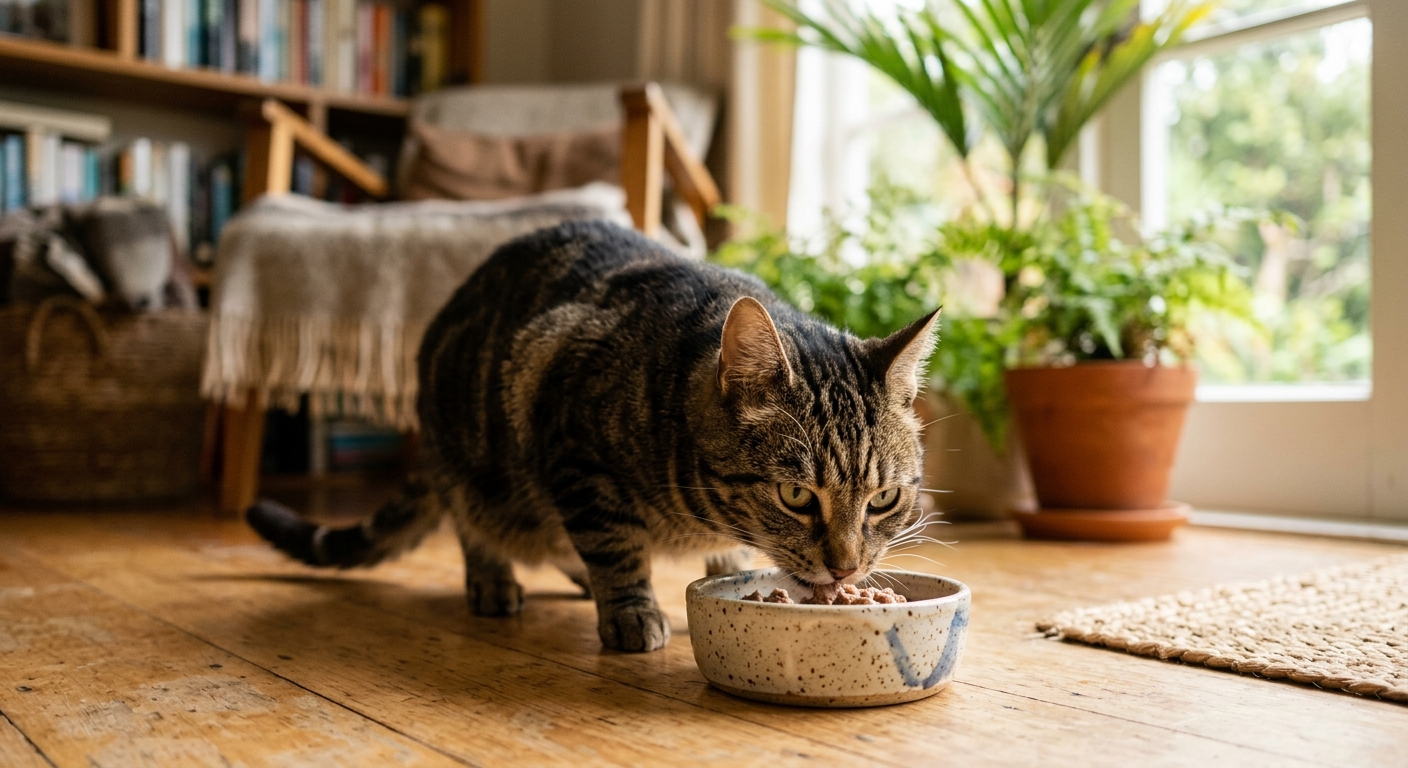
If your cat won't stop scratching, their food might be the problem. I compare the best hypoallergenic cat foods in NZ — from prescription diets to affordable novel protein options.
The short version
Talk to your vet before starting an elimination diet — skin symptoms can have multiple causes, and getting a proper diagnosis saves a lot of guesswork.
For confirmed food allergies in cats, Royal Canin Hypoallergenic is the vet-prescribed gold standard — hydrolysed protein that’s too broken down to trigger reactions. For suspected sensitivities without a formal diagnosis, ZIWI Peak single-protein (Venison or Mackerel) and Hill’s z/d are the most practical NZ-available options that eliminate common culprits.
Tighter budget? Addiction Viva La Venison and Genius Pet Food Ocean Fish are mid-range picks that avoid chicken and common allergens without requiring a prescription.
Why NZ cats develop food allergies
Food allergies in cats get blamed for everything from excessive grooming to chronic vomiting, but they’re actually less common than environmental allergies (pollen, dust mites, cleaning products). When food is the problem, it’s almost always one of these:
- Chicken — the most common food allergen in NZ cats, found in nearly every mainstream cat food from Whiskas to supermarket brands. Unlike dogs, cats can develop chicken allergies even to high-quality chicken sources
- Beef — second most common, particularly problematic for indoor cats who’ve been on the same beef-based diet for years. Often shows up as chronic digestive upset alongside skin issues
- Fish — ironically, despite cats loving fish, it’s a frequent allergen. Especially common with cats fed predominantly tuna-based diets, which can also cause mercury concerns
- Dairy — contrary to popular belief, most adult cats are lactose intolerant. Even small amounts in treats or medications can cause problems
The frustrating part: chicken appears in nearly every cat food stocked at Countdown, New World, or Animates. If your cat is allergic to it, you’re reading ingredients on everything — including treats, dental chews, and even some medications. Unlike dogs with food sensitivities, cats are obligate carnivores, so protein source matters even more.
What “hypoallergenic” actually means for cats
NZ pet food regulations don’t strictly define “hypoallergenic” — brands use it however they like. What it should mean in practice for cats:
- Hydrolysed protein diets — proteins broken down to fragments too small for the immune system to recognise. The actual gold standard for confirmed allergies. Usually vet-prescribed, like prescription diets for urinary health
- Limited ingredient diets (LID) — one protein source, minimal other ingredients. Essential for elimination trials in cats, where precision matters more than with dogs
- Novel protein sources — proteins your cat has never eaten before (venison, duck, rabbit). Particularly important for cats who’ve been on chicken-based diets for years
Note: “Sensitive stomach” on cat food labels doesn’t guarantee it’s hypoallergenic. Plenty of sensitive formulas still contain chicken meal and common allergens.
Top picks
🥇 Best for confirmed allergies: Royal Canin Hypoallergenic
- Type: Hydrolysed soy protein isolate
- Protein: 25%
- Price: ~$4–5/day for an average cat
- Available at: Vet clinics, PetDirect (prescription required)
- Best for: Cats with vet-diagnosed food allergies, elimination diets
This is medicine disguised as cat food. The proteins are broken down so small that your cat’s immune system can’t recognise them as a threat — which is what you need for true food allergies. It’s stocked at most NZ vet clinics, it’s not exciting to look at, and some cats turn their nose up at first.
If your cat refuses it initially, try mixing tiny amounts with their current food (vet permitting), warming it slightly, or adding a small amount of the liquid from canned versions to dry food. Never add unauthorised flavourings during an elimination trial.
Drawback: Expensive and some cats find it unpalatable. Consider pet insurance to help manage ongoing prescription diet costs.
🥈 Best NZ-made: ZIWI Peak Single Protein (Venison or Mackerel)
- Type: Air-dried, single protein
- Protein: 44%+
- Price: ~$4–6/day for an average cat
- Available at: Pet stores nationwide, PetDirect, Pet Circle
- Best for: Cats needing novel protein with minimal ingredients
ZIWI’s single-protein recipes are genuinely limited — real NZ meat, organs, and green-lipped mussel. No grains, no chicken hiding in the mix, no artificial preservatives. Venison is excellent for elimination trials because most NZ cats haven’t eaten it before. The Mackerel recipe works well for cats who’ve primarily been on chicken and beef.
The protein content is high (44%+), which suits cats’ carnivorous needs perfectly. You’ll feed smaller portions than regular cat food because the caloric density is higher.
Check price at Pet Direct →
Related: Best Cat Food in NZ — covers all life stages and budgets
🥉 Best prescription alternative: Hill’s Prescription Diet z/d
- Type: Hydrolysed protein dry and wet food
- Protein: 36% (dry), 26% (wet)
- Price: ~$3.50–4.50/day for an average cat
- Available at: Vet clinics, PetDirect (prescription required)
- Best for: Cats who won’t eat Royal Canin Hypoallergenic
Hill’s z/d uses hydrolysed chicken liver — the protein is broken down but the flavour is more recognisable to cats than Royal Canin’s soy-based formula. Many cats find it more palatable, which matters when you need compliance for 10-12 weeks.
Comes in both dry and wet options. The wet version can be useful for cats who associate their allergies with dry food, or for adding moisture to support urinary health alongside allergy management.
Also worth considering
Addiction Viva La Venison — New Zealand-made, venison-based, grain-free. Around $2.50–3.50/day for an average cat. Novel protein without prescription pricing. Good stepping stone before moving to prescription diets if needed.
Genius Pet Food Ocean Fish — NZ-made, single protein fish recipe, vet-developed. Similar pricing to Addiction but uses fish instead of land-based protein. Useful for cats with multiple land-animal protein sensitivities.
Wellness CORE Original — Imported but widely available, turkey and chicken liver. Not truly novel protein but removes common allergens like beef and fish. Around $3–4/day.
Go! Solutions Sensitivities — Limited ingredient, single protein options including duck and salmon. Canadian-made, available through specialty NZ retailers. Around $2–3/day.
How to do an elimination diet with cats
Cats are trickier than dogs for elimination diets because they’re naturally neophobic (fear of new foods) and notorious for hunger strikes. Here’s the approach:
Phase 1: Choose your protein (Week 1)
Pick a novel protein your cat has never eaten — venison, duck, or rabbit are safest bets. If your cat has only ever had chicken and beef, fish might work, but many cats have had fish treats.
Transition slowly — mix 25% new food with 75% old food for 2-3 days, then 50/50 for 2-3 days, then 75% new for 2-3 days, then 100% new. Cats who refuse to eat new food can develop fatty liver disease within days, so gradual transition is non-negotiable.
Phase 2: Strict elimination (Weeks 2-12)
- Feed nothing else — no treats, no catnip, no flavoured medications, no sneaky tastes of human food
- Single protein source only — check every ingredient list, including any medications your vet prescribes
- Monitor water intake — food allergies can sometimes affect drinking habits, especially important for urinary health
- Document symptoms — scratching frequency, litter box changes, energy levels
Phase 3: Reintroduction (Weeks 13+)
Once symptoms improve, reintroduce one ingredient at a time for 2 weeks each. If symptoms return, you’ve found your culprit.
Multi-cat households: Separate feeding areas completely. Use timed feeders if needed. One cat’s allergy trial can’t work if they’re eating the other cat’s food.
Common mistakes with allergic cats
Assuming all skin problems are food allergies. Fleas, environmental allergies, and stress-related overgrooming can look identical. Your vet can help rule out other causes before you put your cat through an elimination diet.
Giving up too early. Cats can take 10-12 weeks to show improvement from diet changes, compared to 6-8 weeks for dogs. Their digestive systems are different, and they process dietary changes more slowly.
Trusting “sensitive” on the label. Many “sensitive stomach” cat foods still contain chicken meal, beef by-products, or multiple protein sources. Read the actual ingredient list — if chicken appears anywhere, it’s not suitable for chicken-allergic cats.
Using fish as a novel protein for indoor cats. Many indoor cats have had fish-based treats or the occasional tuna, so fish isn’t truly “novel.” Stick to land-based proteins they’ve genuinely never eaten.
Allowing treats during elimination. One chicken-flavoured dental treat can invalidate weeks of progress. Everything counts — even tiny amounts of forbidden protein can trigger reactions.
Special considerations for NZ cats
Indoor vs outdoor cats
Indoor cats often develop food allergies because they eat the same protein source for years without variety. They’re also exposed to fewer environmental allergens, making food sensitivities more noticeable.
Outdoor cats may have been supplementing their diet with birds or mice, which can complicate elimination trials. They’re also exposed to more environmental allergens, making it harder to isolate food as the cause.
Climate considerations
New Zealand’s humidity can worsen skin conditions in allergic cats. Ensure good ventilation and consider air purifiers if your cat spends most time indoors. Some cats improve dramatically just from moving to a drier environment, which suggests environmental rather than food allergies.
Availability and cost
Prescription diets are readily available through most NZ vet clinics, but they’re expensive long-term. Budget around $120-150/month for prescription hypoallergenic diets. Regular vet check-ups are essential to monitor both the allergy response and overall health on restricted diets.
Consider pet insurance to help manage ongoing costs if your cat needs long-term prescription nutrition.
When to see your vet
Book an appointment if your cat shows:
- Constant scratching or overgrooming, especially around the face and neck
- Chronic ear infections or head shaking
- Persistent vomiting or diarrhoea (more than occasional hairballs)
- Red, inflamed skin or hot spots from scratching
- Changes in litter box habits — could indicate digestive upset from food allergies
- Excessive hairballs — sometimes linked to overgrooming from itchy skin
Your vet can rule out fleas, mites, environmental allergies, and other medical conditions that mimic food allergies. They can also prescribe proper elimination diet protocols and monitor your cat’s health throughout the process.
Important: Never diagnose food allergies yourself. Many conditions look similar, and cats can develop serious health issues if dietary changes aren’t managed properly.
The bottom line
Most NZ cats with chronic skin issues or digestive problems aren’t suffering from food allergies — they’re reacting to environmental factors, parasites, or stress. But when food is the culprit, it’s usually chicken or another protein they’ve been eating for years.
Start with your vet to rule out other causes before embarking on an elimination diet. If food allergies are confirmed, prescription hydrolysed diets like Royal Canin Hypoallergenic are the safest starting point. For budget-conscious owners or cats who won’t eat prescription diets, novel protein options like ZIWI Peak Venison or Addiction Viva La Venison can be effective alternatives.
The key is patience — cats take longer to respond to dietary changes than dogs, and elimination diets require absolute compliance for 10-12 weeks minimum. But when you find the right hypoallergenic diet, the improvement in your cat’s comfort and health is worth the effort.
Related reading:
 PawPick