 PawPick
Is wet cat food better than dry?
For most cats, wet food is nutritionally superior — higher protein, lower carbs, and it prevents chronic dehydration. But dry food has a role for dental health and convenience. Many vets recommend a mix of both.
Wet or dry cat food — which is better for your NZ cat? We compare nutrition, cost, and convenience to give you a clear verdict.
Last updated
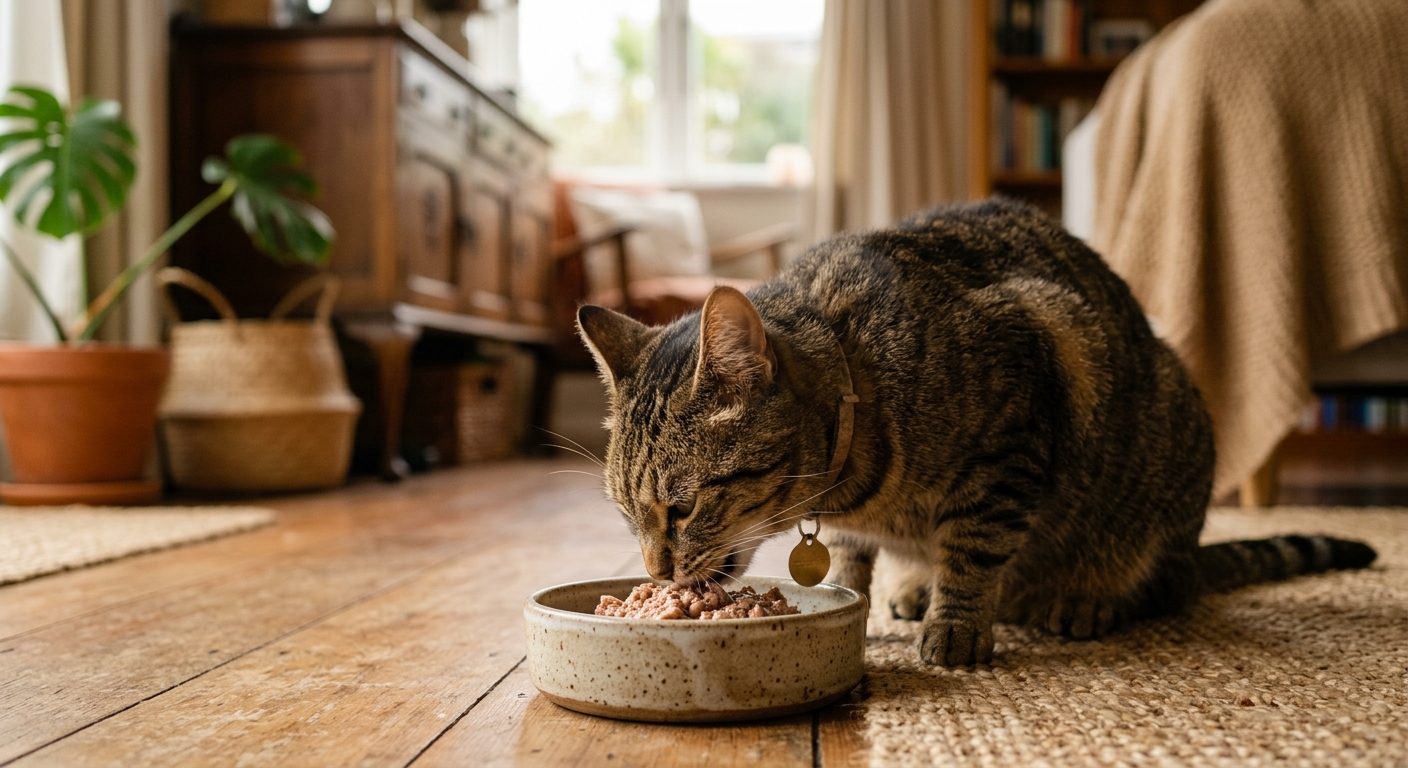
Wet food wins on nutrition, hydration, and long-term health. Dry food wins on cost and convenience. Most NZ vets recommend a mix — wet food as the primary meal, dry as a supplement. For the full picture, read on.
| Attribute | Wet food | Dry food |
|---|---|---|
| Moisture content | 70–80% | 8–12% |
| Protein % | 38–50% (dry matter) | 28–40% (dry matter) |
| Carb content | Low (0–10%) | High (25–50%) |
| Typical daily cost NZ (4kg cat) | $1.50–8.00 | $0.80–4.50 |
| Shelf life (open) | 24–48 hours refrigerated | 4–6 weeks (resealed) |
| Best for | Health, hydration, seniors, UTI-prone | Convenience, budget, free-grazing |
| Dental benefit | Minimal | Moderate (hard kibble) |
| Prep required | Portion and refrigerate | Scoop and serve |
Winner: Wet food
Cats evolved as desert predators. Their primary moisture source was prey — small animals with ~70% water content. As a result, cats have a naturally low thirst drive and don’t compensate for dry food by drinking more water. This is one of the most important biological facts about cats that their food choices should reflect, and it is exactly why a clean tray with the right cat litter setup is useful: changes in urine volume are easier to notice when the litter is consistent.
A cat eating exclusively dry food may be chronically mildly dehydrated without showing obvious signs. Over years, this takes a toll.
The consequences of low hydration:
Wet food delivers approximately 70–80ml of water per 100g of food. A 4kg cat eating a can of wet food twice a day gets most of their daily fluid requirement from their meal. A dry-fed cat has to drink substantially more water independently — and most don’t.
Winner: Wet food (premium tier)
Cats are obligate carnivores. They require a diet high in animal protein and have limited ability to process carbohydrates — they lack the salivary amylase that dogs and humans use to begin starch digestion. Their livers are adapted to process protein for energy, not carbohydrates.
Dry food carbohydrate problem:
Kibble requires a binding agent to hold its shape through extrusion (the high-heat, high-pressure process that makes dry food). Plant-based starches — corn, wheat, rice, potato, pea — do this job. Even good-quality dry foods typically contain 25–35% carbohydrates. Budget dry foods often reach 40–50%.
For a cat, this is a significant metabolic mismatch. High-carb diets have been linked to feline obesity and diabetes.
What wet food offers:
Dry food is not all bad: Premium dry foods like Hill’s Science Diet, Royal Canin, and Black Hawk use higher-quality plant proteins and are nutritionally complete. They’re formulated to AAFCO standards and have decades of veterinary research behind them. They’re not ideal — but they’re far from harmful for otherwise healthy cats.
For a deeper look at the best dry and wet options, see our best cat food NZ guide.
Winner: Dry food
Wet food is mostly water. On a cost-per-calorie basis, dry food wins by a significant margin. Here’s what NZ owners can expect to pay in 2026:
| Format | Brand example | Daily cost NZ (4kg cat) | Monthly cost |
|---|---|---|---|
| Budget dry | Purina Cat Chow | ~$0.80 | ~$24 |
| Mid-range dry | Royal Canin dry | ~$1.80 | ~$54 |
| Premium dry | ZIWI Peak air-dried | ~$4.50 | ~$135 |
| Budget wet | Fancy Feast (85g can) | ~$1.50 | ~$45 |
| Mid-range wet | Hills Science Diet wet | ~$2.80 | ~$84 |
| Premium wet | ZIWI Peak canned | ~$5.00 | ~$150 |
| Premium wet | Feline Natural freeze-dried | ~$6.50 | ~$195 |
Prices based on PetDirect NZ and Animates 2026 pricing. Daily amounts based on manufacturer feeding guides for a 4kg adult cat.
The mix approach (morning wet + dry available for grazing) typically lands between $2.50–4.50/day depending on quality tier — often better value than feeding premium wet exclusively.
Winner: Dry food
Dry food’s practical advantages are real:
For busy households, multi-cat homes, or owners who travel frequently, dry food’s convenience is a genuine practical advantage that shouldn’t be dismissed.
Dry food is often marketed as being better for dental health, but the evidence is mixed and frequently overstated.
What dry food actually does: The brief crunching action as a cat bites through kibble provides some mild mechanical cleaning at the tooth surface. This is modest at best — cats don’t chew kibble the way humans chew, and the effect doesn’t reach below the gumline where periodontal disease begins.
What wet food doesn’t do: It doesn’t rot teeth. The claim that wet food causes dental disease has no strong evidence behind it. Dental disease in cats is primarily genetic and related to immune response, not food texture.
What actually works: If dental health is a genuine priority:
Regular kibble is not a substitute for dental care. Relying on dry food to prevent dental disease is likely to result in disappointment at your next vet check.
Winner: Wet food
This is the clearest call in the entire comparison. If your cat has a history of urinary crystals, bladder infections, kidney disease, or FLUTD, wet food should be a non-negotiable part of their diet. The hydration benefit directly reduces the concentration of urine and lowers crystal formation risk. See our detailed urinary health cat food guide.
Winner: Mix (wet primary, dry available)
Kittens have high protein and calorie requirements for growth. Wet food’s higher meat content and moisture is well suited to their needs — especially important during weaning. Dry kibble for grazing supports the frequent small meals kittens naturally prefer. See our best kitten food NZ guide for specific brand recommendations.
Winner: Wet food
Older cats face two compounding challenges: reduced kidney function (very common in cats over 10) and difficulty chewing as teeth and gums deteriorate. Wet food addresses both — it’s gentler on aging teeth and provides the hydration that supports kidney function. Many senior cats also have reduced appetite, and wet food’s stronger smell and palatability often encourages better food intake. See our best senior cat food NZ guide.
Winner: Wet food
Wet food has lower calorie density per volume than dry food. A cat eating wet food feels satiated on fewer calories because the water content adds bulk without energy. This makes portion control easier and helps manage weight without leaving your cat feeling constantly hungry. High-carb dry foods also promote fat storage more readily than the high-protein, low-carb profile of quality wet food.
Winner: Dry food (but Hills t/d if serious)
If dental health is your primary concern, standard dry kibble is marginally better than wet. But if your cat has active dental disease, Hills Prescription Diet t/d is the only food format with clinical evidence for meaningful dental benefit. Ask your vet about this option rather than relying on regular dry food.
Winner: Dry food as base, small wet topper
Budget-limited households get the best nutritional outcome by feeding a quality mid-range dry food (Royal Canin, Hills, Black Hawk) as the primary diet, with a small serving of wet food once daily to provide hydration and palatability. Even a single small can per day makes a measurable difference to hydration levels.
The approach most NZ vets recommend is straightforward:
Morning: One wet meal — a 85g can or equivalent serves as the main nutritional hit and provides most of the day’s hydration. Budget ~$1.50–5.00 depending on brand.
During the day: Dry kibble available for free-grazing — a measured daily portion left out in a slow-feeder bowl. This covers snacking behaviour, provides some dental benefit, and prevents the cat from being hungry between meals.
Evening (optional): A second small wet serving, or nothing if the cat has grazed well.
Weekly cost estimate for a 4kg cat (mix approach):
| Quality tier | Wet food | Dry food | Weekly total |
|---|---|---|---|
| Budget | Fancy Feast (1 can/day) | Purina Cat Chow | ~$17 |
| Mid-range | Hills Science Diet wet | Royal Canin dry | ~$32 |
| Premium | ZIWI Peak wet | Hills Science Diet dry | ~$55 |
The mid-range mix hits a practical sweet spot for most NZ households — better nutrition than dry-only at a manageable cost.
Choose wet food if: your cat has a history of UTIs or kidney issues, is a senior, is overweight, is an indoor cat with limited activity, or is a picky eater who won’t drink enough water independently.
Choose dry food if: you have a free-grazing household where food needs to stay out safely all day, budget is a primary constraint, or you travel frequently and need easy portability.
Best of both: A wet main meal once or twice daily with quality dry food available for grazing is the approach most NZ vets recommend — and it’s what the evidence supports. It covers hydration, protein quality, convenience, and cost in a practical balance.
For a full breakdown of the best products in both categories, see our best cat food NZ guide.
Ready to make a change? These links go directly to curated options at PetDirect NZ.
Browse wet cat food at PetDirect →
Browse dry cat food at PetDirect →
For premium wet food reviews, see our ZIWI Peak cat food review and Feline Natural review. If your cat has food sensitivities, our best cat food for allergies NZ guide covers the specialist options.
For most cats, wet food is nutritionally superior — higher protein, lower carbs, and it prevents chronic dehydration. But dry food has a role for dental health and convenience. Many vets recommend a mix of both.
Yes — a combination approach is common and recommended. Wet food at meals for hydration and nutrition; dry food for free-grazing and dental benefit. Just track total calories to avoid overfeeding.
Wet food is mostly water (70–80%), so you're paying for packaging and processing on a lower-calorie product. On a cost-per-calorie basis, dry food is significantly cheaper. High-quality wet food like ZIWI Peak or Feline Natural has a higher meat content that justifies the premium.
Not necessarily, but cats evolved as desert animals with low thirst drive — they're naturally prone to not drinking enough. Dry-only diets have been associated with urinary tract issues (especially in male cats) and kidney disease long-term. Wet food helps cats stay hydrated.
ZIWI Peak and Feline Natural are the top premium picks. Royal Canin, Hills Science Diet, and Black Hawk are strong mid-range options. For budget picks, Fancy Feast and Whiskas are widely available but contain more fillers.